
Views: 0 Author: Site Editor Publish Time: 2025-12-03 Origin: Site
Hydraulic systems are everywhere—from construction machinery and industrial presses to automotive brakes and rescue tools. Understanding the first rule of hydraulics is key to mastering how these systems work. At its core, a hydraulic system uses pressurized fluid to transmit force efficiently, enabling small inputs to produce powerful outputs. By applying Pascal’s Law, engineers can design machines that lift, press, or move heavy loads with precision. In this article, we’ll explore how hydraulic systems work, why fluid properties and flow matter, and practical tips for maximizing efficiency.
The first rule says: pressure applied anywhere in a fluid spreads equally. Oil, water, or any hydraulic fluid almost never compresses. That’s why it works so reliably.
It doesn’t matter where you push—the pressure moves through the fluid and acts at every point. This principle allows force multiplication, letting small inputs create huge outputs.
A tiny piston can lift massive weights if a larger piston receives the transmitted pressure.
Hydraulic jacks, presses, brakes all rely on this.
They use Pascal’s formula, P = F / A, to relate pressure, force, and area.
| Variable | Meaning |
|---|---|
| P | Pressure (Pa) |
| F | Force (N) |
| A | Area (m²) |
We can rearrange the formula:
F = P × A → force depends on applied pressure and surface area.
A small piston applies pressure to a larger piston → output force increases.
Distance moved decreases as force increases. Energy stays balanced.
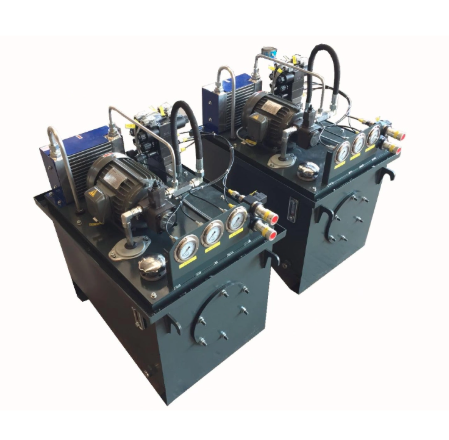
Hydraulic systems rely on consistent fluid flow to work properly. When fluid moves smoothly, the system operates efficiently and parts last longer. Pumps and valves play key roles in maintaining this flow.
Pumps are the heart of the system. They convert mechanical energy into fluid pressure. This pressure pushes the fluid through pipes, hoses, and cylinders, allowing the system to perform work. Without a pump, the hydraulic system cannot move or lift anything.
Control valves manage where the fluid goes and how fast it moves. They help adjust the speed of cylinders and the force applied to different components. By guiding fluid correctly, they ensure the system responds precisely to operator commands.
When fluid flows steadily, friction inside hoses, valves, and cylinders is minimized. This reduces heat buildup and component wear. Conversely, turbulent or interrupted flow can damage parts, decrease efficiency, and shorten the system’s lifespan.
Hydraulic systems rely on precise pressure and force management to operate safely and efficiently. If pressure rises too high, it can damage pumps, hoses, or tools. Too low, and the system fails to deliver the force needed for lifting, pressing, or cutting. Maintaining the right balance is crucial for reliable performance.
Directional control valves determine where and how fluid moves in the system. They allow operators to control cylinder movement, adjust speed, and switch the direction of force. By guiding fluid along the correct paths, these valves help the system respond exactly to the user’s commands.
Relief valves act as safety guardians. They release fluid when pressure exceeds a safe limit, preventing damage to pumps, hoses, or cylinders. These valves protect the system from sudden spikes caused by heavy loads or accidental blockage, ensuring components last longer.
Engineers design pumps, cylinders, hoses, and fittings to withstand fluctuating pressures. Every part must handle both normal operating pressures and occasional spikes without failure. This careful design ensures consistent force amplification, system reliability, and safe operation in industrial and automotive applications.
Good pressure management ensures:
Tools and machinery last longer
Force output is predictable and stable
Safety risks are minimized
Energy efficiency improves
By combining valves, relief mechanisms, and robust components, hydraulic systems can safely multiply force while maintaining smooth operation.
The right hydraulic fluid is essential for a system to perform reliably. It’s not just a lubricant; it’s the medium that transmits pressure and allows force multiplication. The properties of the fluid directly affect efficiency, component longevity, and safety.
Viscosity determines how easily the fluid flows through the system.
Thicker fluids resist flow, making pumps work harder and wasting energy.
Thinner fluids flow too easily, which can cause leaks, reduce force transmission, and compromise precision.
Choosing the correct viscosity ensures the system moves smoothly while maintaining the desired force output.
Hydraulic systems generate heat as fluid moves under pressure. If fluid breaks down at high temperatures, it can lose viscosity, oxidize, or damage seals. Fluids with good temperature stability maintain performance even under prolonged operation or extreme conditions.
Hydraulic fluid must resist chemical breakdown and contamination. Exposure to water, air, or foreign particles can cause foaming, corrosion, and accelerated wear. Clean, chemically stable fluid ensures pressure is transmitted accurately and consistently, protecting pumps, valves, and cylinders.
Unlike air, hydraulic fluids are almost incompressible. This property is what makes force multiplication possible. When pressure is applied at one point, it is transmitted uniformly throughout the fluid, allowing pistons and cylinders to generate powerful outputs from relatively small inputs.
Hydraulic systems naturally generate heat as fluid moves through pumps, valves, and cylinders. Friction, rapid pressure changes, and flow restrictions all contribute to rising temperatures. Excessive heat can degrade hydraulic fluid, reduce viscosity, damage seals, and shorten component life. Proper heat management is essential for system efficiency, reliability, and safety.
Hydraulic reservoirs do more than store fluid. Large reservoirs increase surface area, allowing heat to dissipate naturally. They also give fluid time to settle, letting air bubbles escape and contaminants settle at the bottom. This passive cooling helps maintain stable operating temperatures without complex equipment.
For high-pressure or continuous-use systems, heat exchangers actively remove excess heat. They work by circulating hydraulic fluid through coils or plates where it exchanges heat with air or water. Heat exchangers prevent temperature spikes that could compromise fluid performance or system safety.
Regular monitoring of fluid temperature is vital. Sensors and gauges help detect overheating before it damages components. Keeping hydraulic oil below ~65°C (150°F) ensures it maintains viscosity, resists oxidation, and transmits force accurately. Sudden temperature changes should trigger inspection or maintenance to prevent long-term damage.
Keeping hydraulic fluid clean and contaminant-free is critical for system reliability. Even tiny particles can cause wear on pistons, valves, and pumps, leading to pressure loss, leaks, or complete failure. Clean fluid ensures smooth operation, accurate force transmission, and longer component life.
Use high-quality filters rated 10 microns or finer to trap small debris.
Flush the system before adding new fluid to remove dirt, sludge, or metal particles.
FIFO (First-In-First-Out) storage for hydraulic lubricants prevents contamination from older or improperly stored fluids.
Seal storage containers to prevent moisture or dust from entering.
Regular inspections of fluid for color changes, foaming, or odors can help detect early problems.
Clean hydraulic fluid maintains consistent pressure distribution, prevents component damage, and ensures tools and machinery operate at peak efficiency.

Hydraulic systems perform best when all components and fluid are maintained properly. Efficiency isn’t just about high pressure—it’s about smooth, safe, and consistent operation.
Maintain fluid levels and cleanliness to ensure proper force transmission.
Inspect hoses, fittings, and valves regularly for leaks, cracks, or wear.
Ensure components are rated for system pressure, including pumps, cylinders, and valves.
Manage heat using reservoirs, heat exchangers, or proper ventilation.
Use hydraulic fluid with correct viscosity for the operating conditions to balance flow and force.
Monitor system performance with gauges and sensors to detect irregular pressure or flow.
By following these steps, you can keep the first rule of hydraulics effective, extend the life of equipment, and ensure safe, reliable operation under any load.
The first rule states that pressure applied to a confined fluid is transmitted equally in all directions, allowing force to be multiplied throughout the system.
Hydraulic fluids are nearly incompressible, which means they can transmit pressure efficiently and reliably from one point to another.
Pascal’s Law allows a small force applied on a smaller piston to generate a larger force on a bigger piston because pressure is equal throughout the fluid.
Correct viscosity ensures smooth flow; fluids that are too thick increase energy consumption, while fluids that are too thin can leak and reduce force transmission.
Heat is managed using reservoirs for passive cooling, heat exchangers for active cooling, and by monitoring fluid temperature to keep it below safe limits.
Mastering the first rule of hydraulics is essential for anyone working with hydraulic systems. By ensuring proper pressure management, maintaining fluid cleanliness, and controlling heat, you can achieve safe, reliable, and efficient operation. Whether it’s a hydraulic jack, industrial press, or high-pressure rescue tool, these principles guide every system’s performance. For companies and engineers seeking dependable hydraulic solutions, Qingdao MDP Hydraulics Technology Co., Ltd. offers advanced products and expert support to meet industrial demands and ensure long-lasting system reliability.


