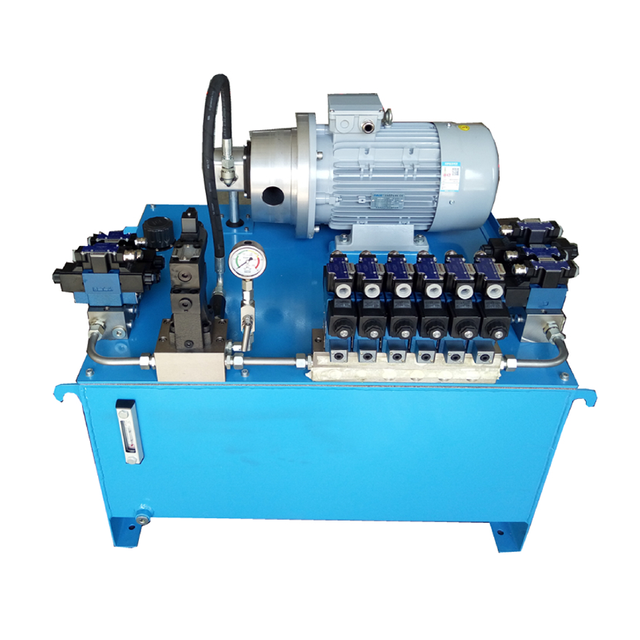
Generally speaking, the lubrication system of mechanical equipment should meet the following requirements:
1. Ensure uniform and continuous supply of a certain pressure of lubricant to each lubrication point, with sufficient oil volume and adjustable as needed.
2. High reliability in operation. Use effective sealing and filtering devices to keep the lubricant clean, prevent dust and moisture from entering the system from the external environment, and prevent contamination of the environment due to leakage.
3. Simple structure, as standardized as possible, convenient for maintenance and high-speed adjustment, convenient for inspection and replacement of lubricants, with low initial investment and maintenance costs.
4. Equipped with indication, alarm protection and condition monitoring devices for working parameters, which can promptly detect lubrication faults.
5. When the lubrication system needs to ensure the appropriate working temperature of the lubricant, cooling and preheating devices as well as heat exchangers can be added.
When designing the lubrication system, three lubrication factors must be considered:
1. The type of friction pair (such as bearings, gears, guide rails, etc. as supporting elements) and their operating conditions (such as speed, load, temperature, and oil film formation mechanism, etc.);
2. The type of lubricant (such as lubricating oil, grease or solid, gas lubricants) and their properties;
3. Types of lubrication methods and supply conditions, etc.
Product Advantages:
Reduce friction: Component wear reduces by up to 80%
Equipment protection: Lifespan extends by 2-5 times
Cost-effectiveness: Maintenance costs decrease by 25-40%
Automated operation: Requires minimal human intervention
The alternative terms for the lubrication system include:
Lubrication device
Anti-friction device
Engine oil circuit
Oil nozzle
Centralized lubrication system (CLS)
Automatic lubrication system (ALS)