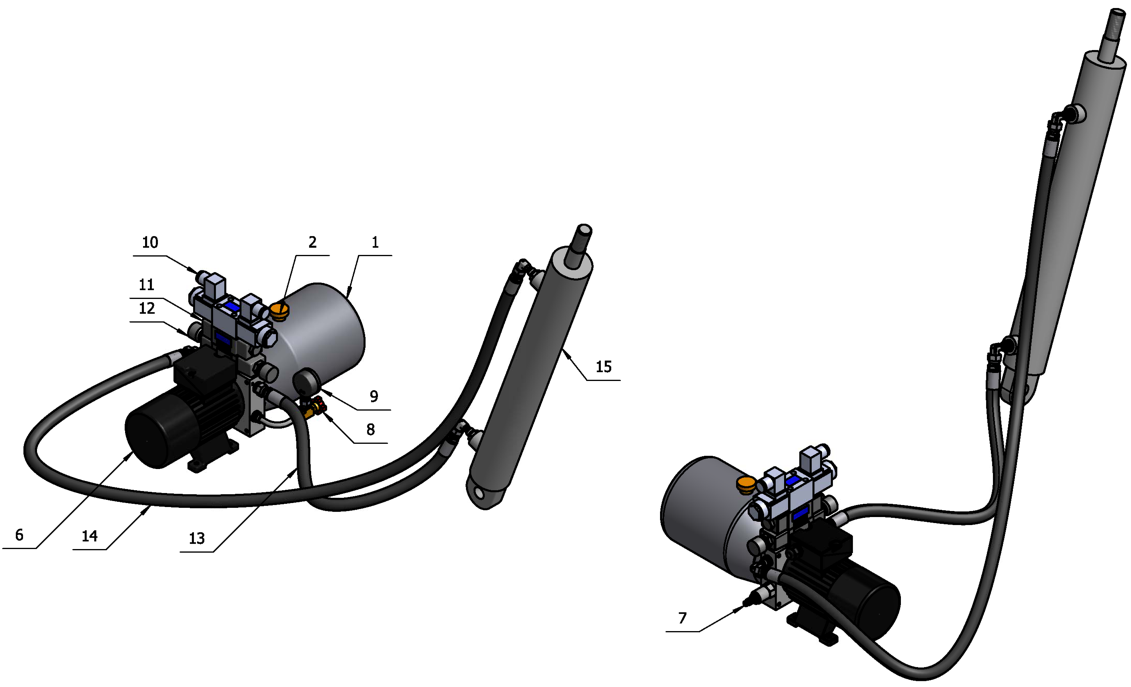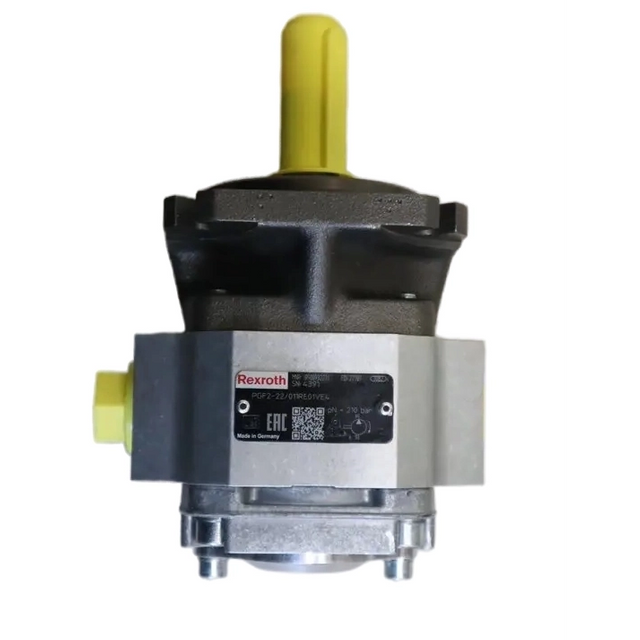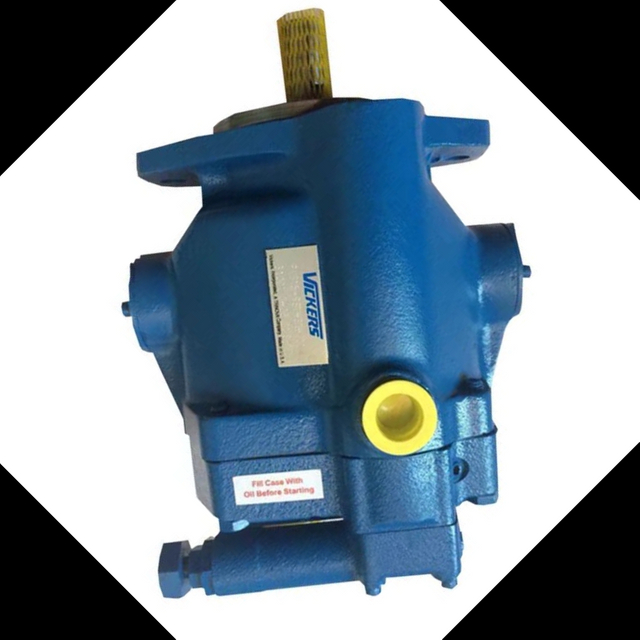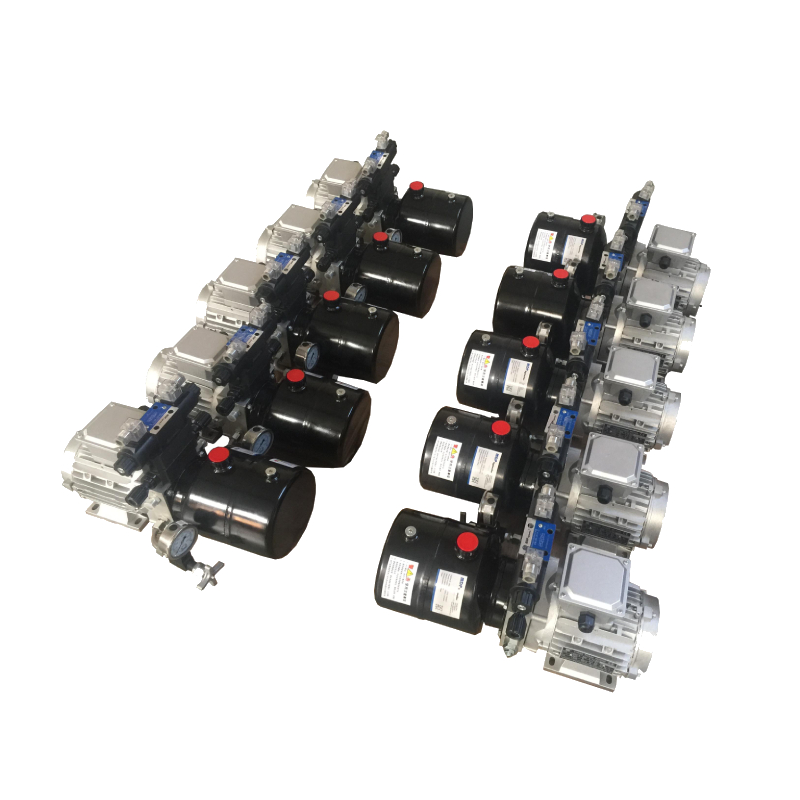
The standard power unit for hydraulic systems, commonly abbreviated as HPU in English, is an oil supply device. It connects to multiple hydraulic cylinders through an external pipeline system to control the operation of multiple valve groups.
A standard power unit typically consists of an oil tank, an oil pump, an accumulator, a motor, and control components. The oil tank is used to store hydraulic oil. Driven by the motor, the oil pump draws hydraulic oil from the tank and pressurizes it, providing high-pressure oil for the system. The accumulator can release energy when the system requires it, assisting the oil pump in oil supply and also absorbing pressure fluctuations in the system. The motor provides power for the oil pump. Control components such as hydraulic servo valves and solenoid valves are used to control the direction, pressure, and flow rate of the oil, thereby regulating the movement of hydraulic cylinders.
Standard power units possess various technical characteristics. For instance, they can offer modular combinations of multiple hydraulic circuits to meet different operational needs. Take the SA4 series power units by Argo - Hytos as an example: they feature 8 optional basic circuits for the central valve block and allow for vertical or horizontal stacked installation to set up additional circuits. Their motor power ranges are relatively wide. The three-phase motor power of the SA4 series power units can reach up to 7.5kW, while the standard power units by Hydra Products can be equipped with AC motors with power up to 30kW. There are also multiple options for oil tank capacity. The oil tank capacity of the SA4 series ranges from 10L to 250L, and the maximum oil tank capacity of the standard power units by Hydra Products can reach 300L. The working pressure and flow rate can also meet different working conditions. The working pressure of the standard power units by Applied Fluid Power ranges from 1500psi to 3000psi, with the maximum flow rate of a single-pump HPU reaching up to 60gpm. The standard power units by Hydra Products have a flow rate of up to 100 liters per minute and a pressure capacity of up to 250bar or even 280bar.
In addition, standard power units have some other features. They adopt standardized components, which can handle most application conditions, reduce customers' inventory of hydraulic components and the workload of non-standard design. They can be equipped with a PLC control system to manage all internal hydraulic functions and exchange signals with the control room. The adapters for the core components of the power unit come in different specifications, with various shapes and installation methods.
1. Strong Adaptability to Meet Diverse Scenarios
Modular design is the mainstream. By adding/removing valve blocks and adjusting motor power, it can quickly match the pressure and flow requirements of different equipment (such as machine tools and construction machinery).
It supports flexible installation methods, including vertical, horizontal stacking or integrated installation. This adapts to different equipment layout spaces and reduces the difficulty of on-site modification.
2. Stable Operation to Ensure Continuous System Work
Core components (such as oil pumps and motors) are produced in a standardized way, with high quality consistency. This greatly reduces the risk of failures caused by component differences.
Some units are equipped with accumulators, which can absorb pressure fluctuations and compensate for leaks. This prevents frequent start-stop of the motor and provides emergency power in case of sudden power failure, improving system safety.
3. Convenient Maintenance to Reduce Long-Term Operating Costs
The structure is neatly designed, and key components (such as filters and pressure gauges) are easily accessible. Daily inspection and replacement of consumables do not require disassembling complex structures.
Standardized components have strong universality and sufficient market supply. This not only shortens the procurement cycle but also reduces the types and quantities of spare parts inventory for enterprises, lowering inventory costs.
4. Precise Control to Facilitate Automated Operation
It can be integrated with a PLC control system, which enables real-time communication with the equipment's main control system. This allows precise adjustment of the pressure, flow and direction of hydraulic oil to meet the refined action requirements of automated production lines.
Some high-end units support remote monitoring and fault diagnosis. They can provide early warnings of potential problems and reduce downtime losses caused by sudden failures.

| Pump Model | A | B | C | D | E | ØF | G | H | L | ØM(In) | ØM(Out) | N | P | Q | R | A1 | B1 | C1 | D1 | E1 | Kg |
| PFG-114 | 80.5 | 18 | 45 | 17.5 | 5.5 | 30 f8 | 40 | M6 | 30 | 13 | 13 | 86 | 73 | 24.5 | 12 | 67.5 | 56 | 71 | 6.5 | 84.5 | 1.25 |
| PFG-120 | 82.5 | 47 | 41 | 1.28 | |||||||||||||||||
| PFG-128 | 84.5 | 49 | 42 | 1.32 | |||||||||||||||||
| PFG-135 | 86.5 | 51 | 43 | 1.4 | |||||||||||||||||
| PFG-142 | 88.5 | 53 | 44 | 1.45 | |||||||||||||||||
| PFG-149 | 91.5 | 56 | 45.5 | 1.5 | |||||||||||||||||
| PFG-160 | 94.5 | 59 | 47 | 1.58 | |||||||||||||||||
| PFG-174 | 98.5 | 63 | 49 | 1.66 | |||||||||||||||||
| PFG-187 | 103.5 | 68 | 51.5 | 1.73 | |||||||||||||||||
| PFG-199 | 108.5 | 73 | 54 | 1.9 | |||||||||||||||||
| PFG-207 | 97.5 | 21 | 58 | 18.5 | 5 | 36.5 f8 | 47.5 | M8 | 40 | 13 | 13 | 112.5 | 96 | 32.49 | 15.5 | 88 | 71.5 | 90 | 8.5 | 102 | 2.6 |
| PFG-210 | 101.5 | 62 | 49.5 | 2.69 | |||||||||||||||||
| PFG-211 | 104.5 | 65 | 51 | 19 | 2.75 | ||||||||||||||||
| PFG-214 | 108.5 | 69 | 53 | 2.86 | |||||||||||||||||
| PFG-216 | 111.5 | 72 | 54.5 | 2.95 | |||||||||||||||||
| PFG-218 | 114.5 | 75 | 56 | 3 | |||||||||||||||||
| PFG-221 | 119.5 | 80 | 58.5 | 19 | 3.16 | ||||||||||||||||
| PFG-327 | 133.5 | 25 | 85 | 23.5 | 5 | 50.8 f8 | 66 | M10 | 56 | 27 | 19 | 151.5 | 128 | 43 | 22 | 120.5 | 98.5 | 120 | 11 | 148 | 6.35 |
| PFG-340 | 142.5 | 94 | 70.5 | 27 | 6.85 | ||||||||||||||||
| PFG-354 | 151.5 | 103 | 75 | 7.3 |