| Availability: | |
|---|---|
| Quantity: | |
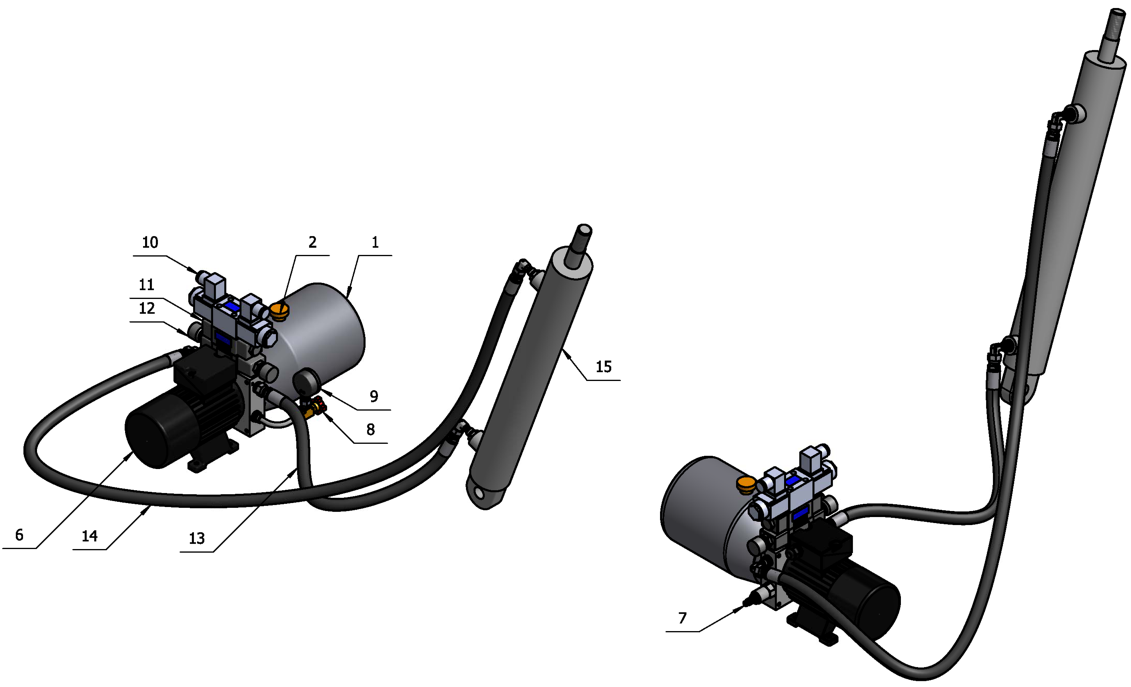
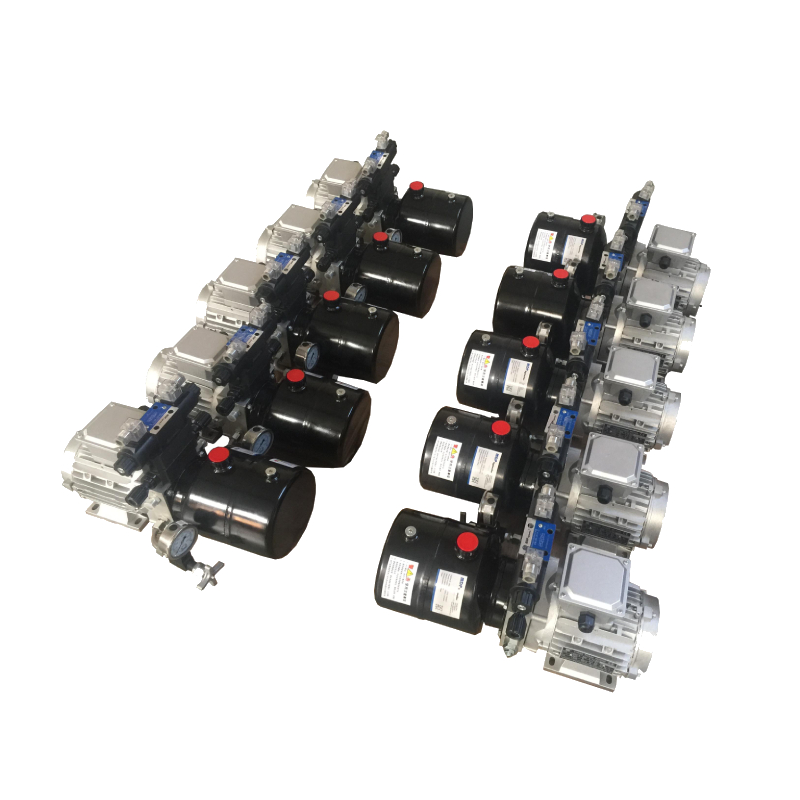
This mini hydraulic power unit for crane hydraulic lifting devices is developed for applications where space is tight but reliability cannot be compromised. It is intended to provide pressurized oil to the lifting circuit while supporting stable operation, responsive control, and easier integration with the overall hydraulic system. The compact body helps the equipment look cleaner, the piping route feels more organized, and daily inspection becomes more straightforward.
From the first startup, the benefit is practical rather than abstract. The unit is designed to help reduce clutter around the lifting assembly, support smoother hydraulic motion, and make routine service less troublesome. In real use, that means a more controlled lifting feel, less wasted installation room, and a system that is easier for technicians to understand, access, and maintain.
Small does not mean weak. The appeal of a mini hydraulic power unit is that it delivers concentrated force where it matters most. On a crane lifting device, that translates into controlled lifting response, compact installation, and a system that is easier to live with over time.
Compact installation value
The unit is easier to place in restricted mechanical layouts where a standard hydraulic station would feel bulky.
Smoother lifting experience
A well-integrated power source helps the lifting circuit respond with more stable oil delivery and more predictable motion.
Cleaner system layout
A more compact assembly can help reduce unnecessary piping complexity and improve the visual order of the machine.
Easier maintenance access
When the structure is arranged logically, inspection and replacement work becomes less disruptive.
Better suitability for intermittent lifting tasks
Mini hydraulic power units are widely favored for compact lifting and mobile equipment because they match this duty style well.
Flexible system integration
The concept supports configuration around lifting and lowering requirements, valve logic, and overall crane design needs.
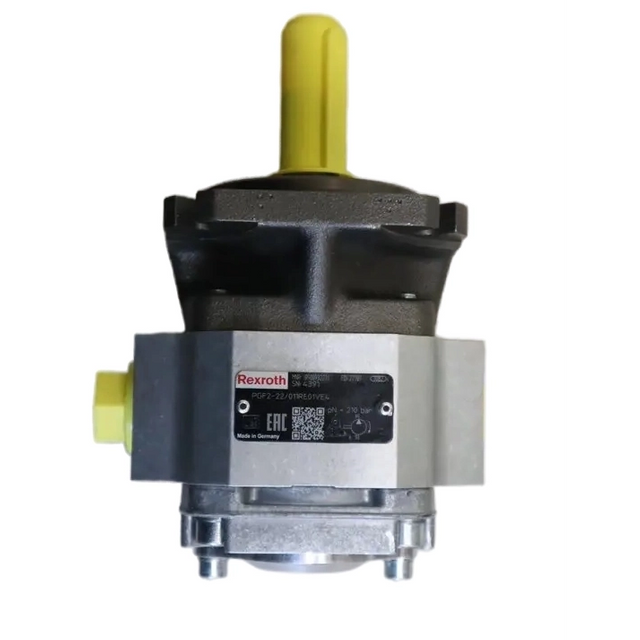
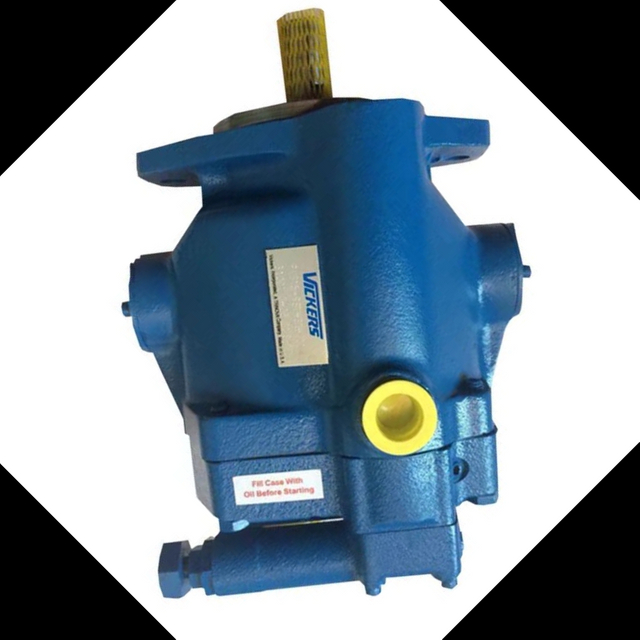
Pump Model | A | B | C | D | E | ØF | G | H | L | ØM(In) | ØM(Out) | N | P | Q | R | A1 | B1 | C1 | D1 | E1 | Kg |
PFG-114 | 80.5 | 18 | 45 | 17.5 | 5.5 | 30 f8 | 40 | M6 | 30 | 13 | 13 | 86 | 73 | 24.5 | 12 | 67.5 | 56 | 71 | 6.5 | 84.5 | 1.25 |
PFG-120 | 82.5 | 47 | 41 | 1.28 | |||||||||||||||||
PFG-128 | 84.5 | 49 | 42 | 1.32 | |||||||||||||||||
PFG-135 | 86.5 | 51 | 43 | 1.4 | |||||||||||||||||
PFG-142 | 88.5 | 53 | 44 | 1.45 | |||||||||||||||||
PFG-149 | 91.5 | 56 | 45.5 | 1.5 | |||||||||||||||||
PFG-160 | 94.5 | 59 | 47 | 1.58 | |||||||||||||||||
PFG-174 | 98.5 | 63 | 49 | 1.66 | |||||||||||||||||
PFG-187 | 103.5 | 68 | 51.5 | 1.73 | |||||||||||||||||
PFG-199 | 108.5 | 73 | 54 | 1.9 | |||||||||||||||||
PFG-207 | 97.5 | 21 | 58 | 18.5 | 5 | 36.5 f8 | 47.5 | M8 | 40 | 13 | 13 | 112.5 | 96 | 32.49 | 15.5 | 88 | 71.5 | 90 | 8.5 | 102 | 2.6 |
PFG-210 | 101.5 | 62 | 49.5 | 2.69 | |||||||||||||||||
PFG-211 | 104.5 | 65 | 51 | 19 | 2.75 | ||||||||||||||||
PFG-214 | 108.5 | 69 | 53 | 2.86 | |||||||||||||||||
PFG-216 | 111.5 | 72 | 54.5 | 2.95 | |||||||||||||||||
PFG-218 | 114.5 | 75 | 56 | 3 | |||||||||||||||||
PFG-221 | 119.5 | 80 | 58.5 | 19 | 3.16 | ||||||||||||||||
PFG-327 | 133.5 | 25 | 85 | 23.5 | 5 | 50.8 f8 | 66 | M10 | 56 | 27 | 19 | 151.5 | 128 | 43 | 22 | 120.5 | 98.5 | 120 | 11 | 148 | 6.35 |
PFG-340 | 142.5 | 94 | 70.5 | 27 | 6.85 | ||||||||||||||||
PFG-354 | 151.5 | 103 | 75 | 7.3 |
A crane lifting device needs hydraulic power that feels controlled, not oversized. That is why the most effective mini hydraulic power units follow an integrated structure. This product direction is based on the classic HPU concept: oil tank, oil pump, motor, and control components working as one coordinated assembly.
Instead of scattering these functions across a larger system footprint, the mini layout concentrates the hydraulic source into a cleaner package. In practical terms, the motor drives the pump, the pump draws oil from the reservoir, and the pressurized oil is directed through the hydraulic circuit to support lifting motion. Control components manage direction, pressure, and flow so the crane lifting device can rise with confidence and lower with better control.
For the user, the advantage is easy to feel:
less crowded installation space
more organized hydraulic routing
more direct service access
easier matching with compact lifting systems
a cleaner mechanical appearance around the crane frame
This product is best understood as a compact hydraulic source built for lifting motion where available space is limited. It is especially suitable when designers want the force of hydraulic actuation without the footprint of a larger station.
The strongest content dimension in this category is the self-contained structure:
motor
pump
reservoir
control section
external connection to cylinders or valve groups
For many lifting devices, the problem is not whether hydraulic power is needed, but where to place it. A mini unit helps solve layout pressure by using space more intelligently.
A compact system is more valuable when it also remains practical to inspect. This content dimension matters because buyers are not only comparing power, but also long-term convenience, maintenance rhythm, and replacement accessibility.
Even when exact project values differ, buyers in this category usually look for a product page that signals readiness for:
lifting or lowering logic
compact mounting conditions
control style matching
circuit adaptation
application-specific hydraulic integration
Its biggest advantage is concentrated hydraulic power in a smaller footprint. That helps save installation space, simplify the layout, and make the lifting system easier to integrate.
It is intended for hydraulic lifting device applications, and the overall product category commonly supports lifting and lowering control through the hydraulic circuit design and valve arrangement.
The current page describes the HPU structure as including an oil tank, oil pump, accumulator, motor, and control components.
Crane systems often have restricted installation areas. A compact unit helps reduce bulk while still supplying the hydraulic energy needed for controlled motion.
No. The current page mainly exposes general product description text and a pump outline drawing table. If you want a fuller online specification section, the voltage, motor power, tank capacity, pressure, and control configuration should be added from the engineering data sheet.
Yes. This category is commonly selected because it can be matched to different lifting conditions, control requirements, and space limitations through project-based configuration.