Views: 0 Author: Site Editor Publish Time: 2025-11-12 Origin: Site
Designing Customized Hydraulic System Main Parameter Prohibitions
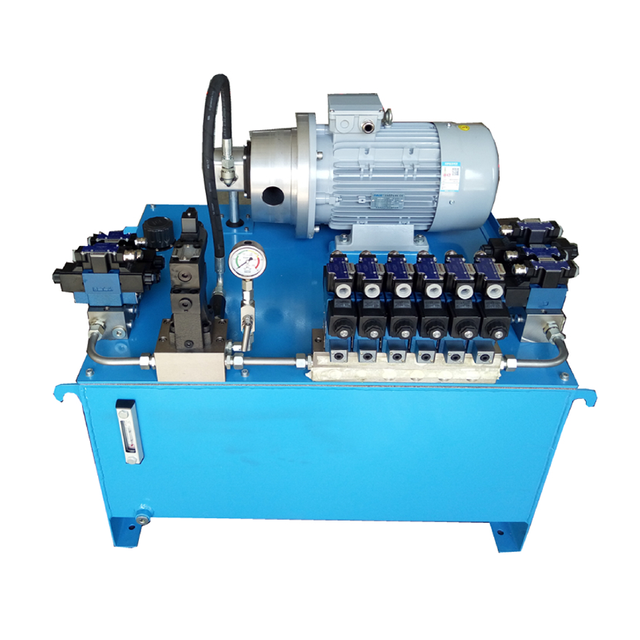
Customized hydraulic system design refers to the formation of a new energy transmission system to accomplish a specific task. Hydraulic systems are divided into hydraulic transmission systems and hydraulic control systems. Although the working characteristics and goals of the two are different, their structural composition or working principles have no essential differences. The main difference in design content between the two is that the former focuses on static performance design, while the latter, in addition to static performance, also includes dynamic performance design. Generally, the so-called hydraulic system design refers to the design of the hydraulic transmission system, and its design content and methods can be directly applied to the design of the hydraulic control system with only minor adjustments.
Pressure, flow rate and the geometric dimensions of hydraulic actuators are the three main parameters of a hydraulic system. They form the basis for designing the hydraulic system and selecting hydraulic components. The general method for determining these parameters is to first use the analogy method to preliminarily select an appropriate system design pressure. Then, based on the load of the hydraulic actuator, calculate and determine the geometric dimensions of the hydraulic actuator. According to the speed requirements of the actuator, calculate and determine the flow rate.
1. Design pressure selection guidelines: Increasing the system pressure can reduce the geometric size, weight and flow rate of the actuating elements. However, if the pressure is too high, it generally leads to increased costs, shortened component lifespan, increased internal leakage, and higher oil temperature, etc. In actual design work, the following factors should be comprehensively considered.
2. Cost (price), the prices of hydraulic components (including pumps, valves, actuators and accessories) generally depend on the pressure level. Since the maintenance cost needs to be taken into account when determining the pressure, it cannot be assumed that a lower pressure leads to lower cost; and a higher pressure results in higher cost. Such considerations should be based on specific usage conditions.
Hydraulic system design refers to the formation of a new energy transmission system to accomplish a specific task. Hydraulic systems can be classified into hydraulic transmission systems and hydraulic control systems. Although the working characteristics and goals of the two are different, their structural composition or working principles do not have essential differences. The main difference in design content between the two is that the former focuses on static performance design, while the latter, in addition to static performance, also includes dynamic performance design. Generally, the so-called hydraulic system design refers to the design of hydraulic transmission systems, and the design content and methods can be directly applied to the design of hydraulic control systems with only minor adjustments.