

loading
| Availability: | |
|---|---|
| Quantity: | |
In a hydropower station, every movement needs to feel controlled, steady, and dependable. Gates, valves, auxiliary mechanisms, and supporting equipment do not tolerate unstable pressure, oil contamination, or sudden system shock. That is where this hydraulic explosion-proof oil station system is built to perform.
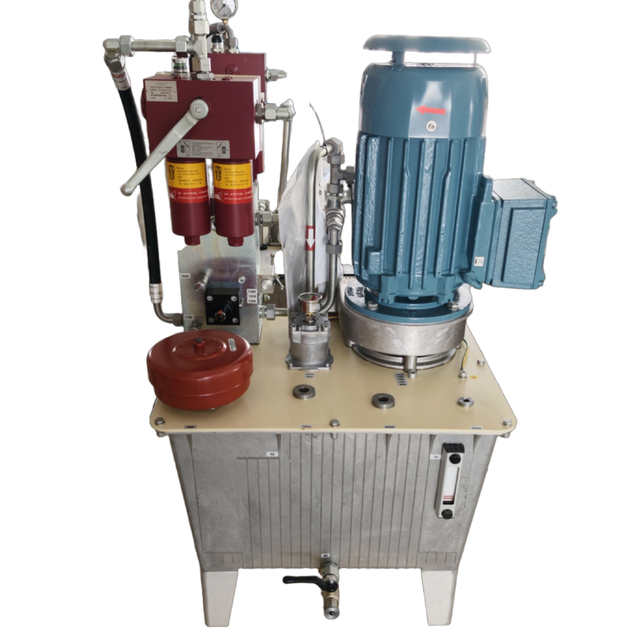
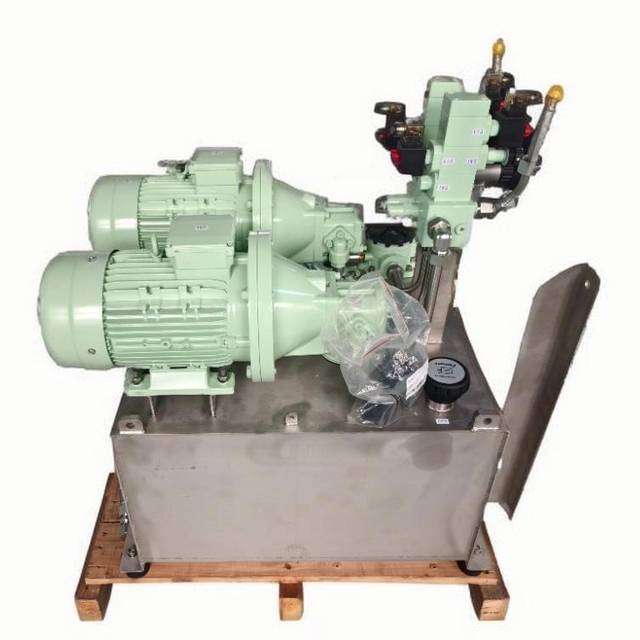
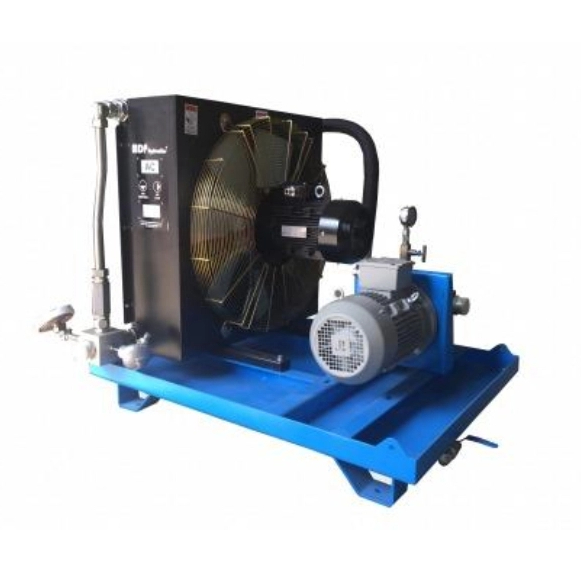
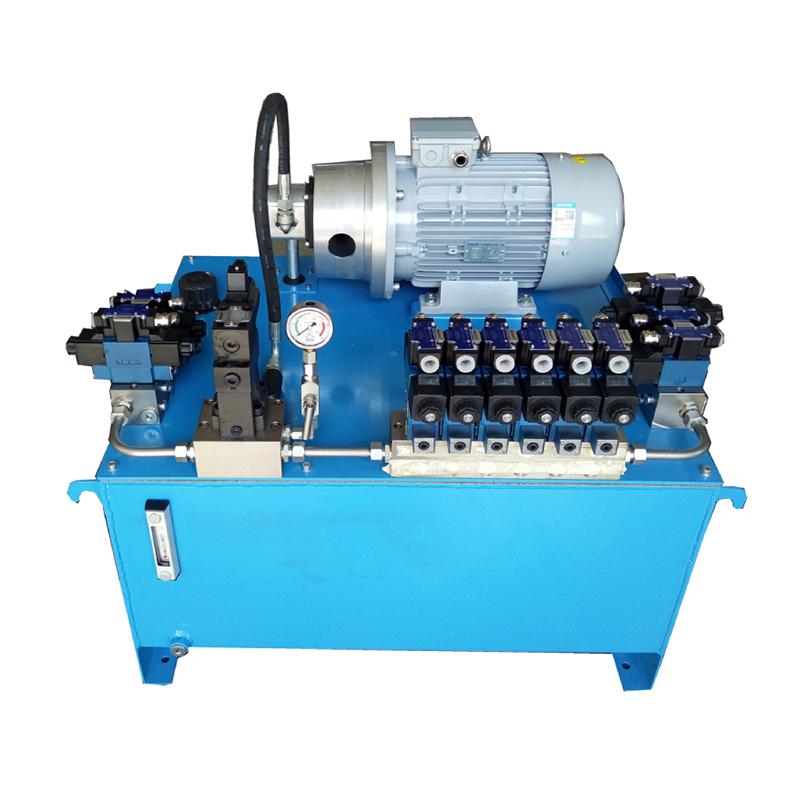
This system is developed as a customized hydraulic power solution for hydropower stations that need more than a standard skid. It brings together the hydraulic pump unit, oil tank, valve control, filtration, cooling, piping connection, and electrical control into one coordinated package. When the motor starts, the station delivers pressurized hydraulic oil with a smooth, confident response rather than abrupt force. The result is stable motion, consistent output, and easier control of connected equipment.
What makes this type of station valuable is not only the power it creates, but the way it protects the entire hydraulic process. Clean oil, controlled temperature, balanced pressure, and safe operation all work together. In practical use, that means less unplanned downtime, less wear on key components, and a more reassuring operating experience for the people responsible for system reliability.
Suitable for environments where electrical and hydraulic safety requirements are more demanding.
The station can be matched to your space reservation, installation direction, operating cycle, and control preference.
Helps reduce vibration, impact load, and sudden motion during equipment operation.
Supports oil cleanliness and thermal stability for longer component life.
Gear pump, vane pump, and plunger pump solutions can be considered according to pressure and flow needs.
Modular arrangement makes inspection, servicing, and replacement more straightforward.
Designed to support safer system behavior under changing load conditions.
Suitable for long-hour operation where durability and operational stability are critical.
Parameter | Description / Range |
|---|---|
Equipment layout size | Length × Width × Height |
Hydraulic fluid type | According to working requirement |
Oil cleanliness | ISO 17/14/11 |
Viscosity at 40°C | cSt / CST |
Filtering precision | Microns |
Filter method | Outlet filter / return filter |
Magnetic filtration | Yes / No |
Cooling method | Water cooling / air cooling |
Start-up temperature | °C |
Ambient temperature | °C |
Cooling water temperature | °C, if required |
Motor voltage / frequency | V / Hz, reference example: 400V / 50Hz |
Motor speed | Rev/min, reference example: 1450 rpm |
Variable frequency motor | Yes / No |
Pump type | Gear pump / vane pump / plunger pump |
Maximum flow rate | L/min |
Pump pressure | MPa |
Hydraulic oil supply port | Number |
Level switch | Yes / No |
Shield | Yes / No |
Other notes | Based on project requirement |
Two-part system architecture
This hydraulic oil station is mainly built around two major sections: the hydraulic system and the control system.
Hydraulic system section
The hydraulic section typically includes the pump unit, oil tank, valves, filters, pipelines, and connected actuating interfaces.
Control system section
The control section is responsible for starting and stopping control, pressure regulation, flow adjustment, and working sequence coordination.
More than a basic pump station
Rather than being a simple pump station, it functions as the pressure heart of the entire hydraulic process.
Stable oil circulation path
The pump draws hydraulic oil from the reservoir, pressurizes it, and delivers it through the valve circuit to the required working points.
Coordinated system support
The oil tank, filters, and cooling arrangement work together to maintain oil condition, thermal balance, and operating stability.
Helps reduce pressure fluctuation
A well-designed station supports smoother pressure output and helps prevent unstable hydraulic performance during operation.
Protects key hydraulic components
Cleaner oil circulation reduces the risk of contamination damage to pumps, valves, and related hydraulic parts.
Supports predictable equipment movement
Stable hydraulic control contributes to more accurate, more consistent, and more reliable equipment motion.
Improves overall installation quality
An integrated station layout creates a more organized system structure with fewer temporary connections and fewer compromise-based modifications.
Makes maintenance easier over time
A clearer system layout helps simplify inspection, servicing, and long-term maintenance planning.
Hydropower projects often demand dependable operation under complex environmental and site conditions. In these settings, system safety is not an accessory; it is part of the design logic from the start. This is why the explosion-proof oil station concept is important.
Our approach focuses on building a station structure that can be adapted for higher-safety industrial environments through suitable motor selection, control integration, enclosure planning, and component matching. The goal is to create a unit that not only delivers hydraulic energy, but also supports a safer and more controlled operating environment.
This matters in real use because customers are not simply buying pressure output. They are investing in confidence. When the station runs with controlled sound, stable pressure, and clean internal circulation, operators experience a system that feels solid rather than strained. That sense of order is one of the clearest signs of good hydraulic engineering.
Typical value points include:
safer operation in demanding industrial environments
more stable system response during continuous duty
better protection for critical hydraulic components
easier adaptation to application-specific site requirements
improved confidence in long-term equipment service
Application scenario: hydropower stations and related hydraulic control duties
System layout: compact skid, standard base, or space-limited arrangement
Pump solution: selected according to target pressure, flow, and duty cycle
Tank design: configured around volume, maintenance access, and oil return logic
Control mode: can be aligned with electrical control and operating sequence requirements
Cooling and filtration: selected according to oil temperature, cleanliness target, and service interval expectations
Installation orientation: adjusted for project space and piping route
Protection requirements: adapted to the environmental and safety expectations of the project
No. This product is positioned as a custom non-standard hydraulic oil station system. It is built around actual operating conditions, layout limits, pressure demand, and control requirements.
Yes. This product direction is suitable for hydropower station applications where stable hydraulic transmission, safe operation, and reliable oil management are required.
Gear pump, vane pump, and plunger pump options can be considered depending on pressure level, flow demand, and system duty.
Yes. Cooling method, filtering precision, filter arrangement, and magnetic filtration can all be matched to the project requirement.
It is best to confirm layout size, flow, pressure, oil type, voltage/frequency, cooling preference, installation direction, and any special control or protection requirements.
Yes. The station is intended for non-standard customization, so space reservation and equipment layout are important inputs in the design process.
content is empty!