| Quantity: | |
|---|---|
MDP Hydraulics
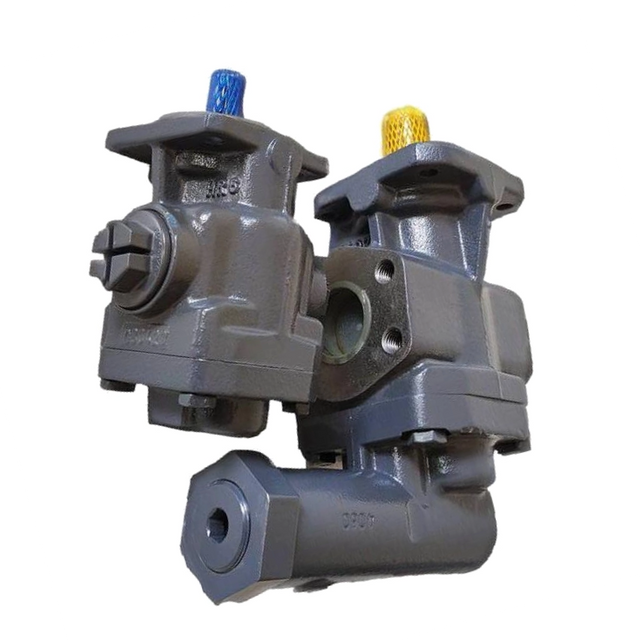
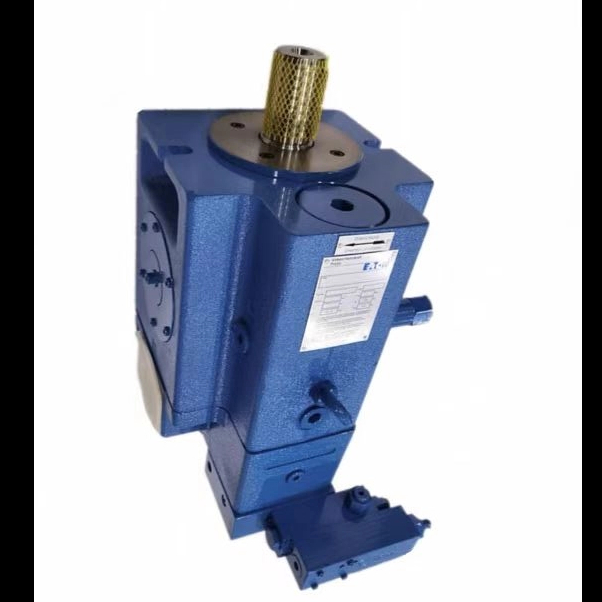
The spline/flat key shafts of the CBT series hydraulic gear oil pump are the core power transmission components specially designed for the demanding conditions in the chemical industry. As the input shaft of the CBT series high-performance gear pumps, it is responsible for efficiently and reliably transmitting the power from the motor or engine to the gear pair inside the pump. In response to the common challenges in chemical environments, such as corrosive media, high humidity, high load, and continuous operation, this product has undergone comprehensive material upgrades, process enhancements, and sealing optimizations based on the standard CBT pump shafts. This ensures excellent corrosion resistance, wear resistance, and long-term operational stability when transporting various chemical oil liquids (such as synthetic hydraulic oil, water ethylene glycol, phosphate esters, etc.). It is the ideal choice for key hydraulic power units in chemical process equipment, reaction vessels, mixing devices, metering pumps, and other critical hydraulic components.
Shaft body material: High-strength alloy steel is used. Depending on the characteristics of the medium, stainless steel can be selected or special surface hardening and anti-corrosion treatments (such as hard chrome plating, chemical nickel-phosphorus plating, etc.) can be applied. This fundamentally resists the erosion of corrosive media such as acids, alkalis, and solvents, preventing rust and pitting on the shaft neck.
Key mating surface: The toothed parts of the spline/flat key and the sealing section of the shaft neck have undergone precise grinding, resulting in high surface finish. This not only reduces friction and wear but also lowers the risk of corrosion medium adhesion and penetration.
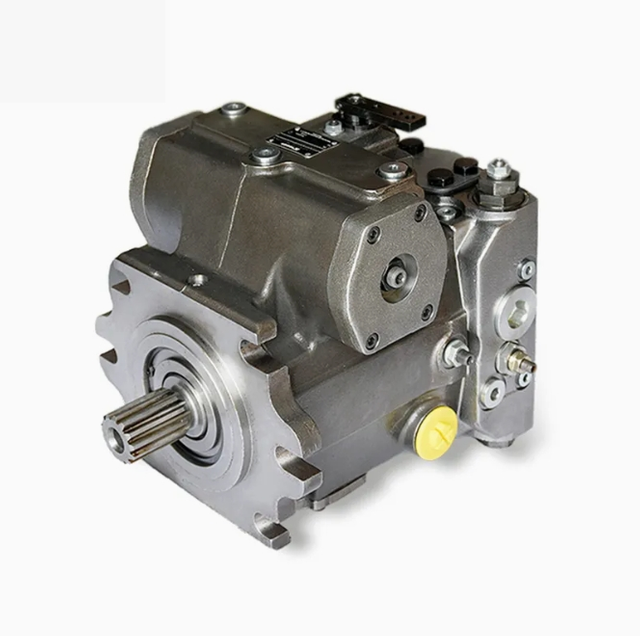
Offer various interface options such as flat keys (P), rectangular spline (H), involute spline (X), and SAE standard spline (φ). The spline design ensures high torque transmission capacity and excellent alignment performance, which can effectively handle the potential impact loads in chemical equipment.
The shaft neck size tolerance is strictly controlled, achieving precise fit with the sealing chamber at the pump's front cover (used for installing mechanical seals or packing seals). For chemical media, it can be equipped with sealing components made of corrosion-resistant materials such as fluororubber (FKM) and polytetrafluoroethylene (PTFE), fundamentally solving the problem of shaft end leakage and meeting the high environmental protection and safety requirements of the chemical industry.
The shaft body undergoes quenching and tempering heat treatment, ensuring the toughness of the core while providing sufficient hardness on the surface. Combined with the optimized bearing support structure (such as DU self-lubricating bearings), even in low-speed, high-load chemical processing conditions, it can significantly reduce wear and extend the overall service life of the pump.
This shaft is specifically designed for the CBT series gear pumps. The pump body itself has the following advantages that are suitable for the chemical industry:
• High pressure and high efficiency: The continuous working pressure can reach 20-25 MPa, with high volumetric efficiency, ensuring strong system power and energy conservation.
• Wide speed range and low-speed performance: The speed range is wide, and even at low speeds as low as 400-600 rpm, it can still maintain a high volumetric efficiency. This makes it highly suitable for variable-speed or low-speed operation requirements in chemical processes.
Axial clearance automatic compensation: With the advanced floating side plate design, it can automatically compensate for the wear of the gear end face, maintaining the high efficiency of the pump over the long term and reducing the increase in energy consumption and oil temperature caused by the decline in efficiency.
• Low noise and high reliability: Optimized structural design ensures smooth operation with low noise. The combination of high-strength aluminum pump body and cast iron front and rear covers achieves both lightweight and durability.
• Chemical process pump hydraulic system: Provides reliable hydraulic power for stirring of reaction vessels, material transportation, valve operation, etc.
• Corrosion-resistant medium transportation system: Used for transporting water, ethylene glycol, phosphate esters, synthetic esters, and other non-flammable or special chemical hydraulic oils.
• Measuring and Mixing Equipment: Provides a stable and pulsation-free power source for high-precision chemical metering pumps and proportional pumps.
• Environmental protection and wastewater treatment equipment: Hydraulic stations for equipment such as filter presses and mixers.
• Pharmaceutical and food processing equipment: In areas that meet hygiene standards, provide clean and reliable hydraulic power for the equipment.

Working principle: | Other | Usage | Supercharging |
Grade | Other | Cast | iron |
Scope of application | Construction machinery | Applicable medium | hydraulic oil |
Applicable temperature(°C) | 30-90 Nominal | pressure (M Pa) | 25 |
Mounting | Flange | Packing | Wooden |
To ensure optimal performance, please confirm the following information during the selection process:
1. The complete model of the pump: For example, CBT-F416-AFP (where P represents a flat key shaft), CBT-F420-AFH (where H represents a rectangular spline shaft), etc. The shaft type is a key part of the model code.
2. Shaft extension type and size:
Flat key: Please provide the key width, key height and shaft diameter.
Keyway: It is necessary to clearly specify the keyway type (rectangular/cycloidal/SAE), number of teeth, module/diameter pitch, pressure angle, and other detailed parameters.
3. Chemical medium information: It is necessary to specify the exact type of hydraulic oil being transported (such as brand, model, base oil type, and additives) to ensure the compatibility of the shaft materials and sealing materials.
4. Operating conditions: Maximum working pressure of the system, range of driving speed, environmental temperature, and whether there is an external corrosive atmosphere.
1. Installation: Before installation, ensure that the drive shaft and the pump shaft are perfectly aligned. It is recommended to use a flexible coupling to compensate for minor deviations. When installing the spline shaft, apply an appropriate amount of lubricating grease and ensure that the spline is fully engaged.
2. Seal maintenance: Regularly check for any leakage at the shaft end. If using a mechanical seal, ensure the cleanliness and stability of the seal chamber flushing fluid. When replacing the seal, be sure to use a sealing element compatible with the chemical medium.
3. Operation monitoring: Monitor the running noise, vibration, and temperature rise of the pump. Abnormal noise or rapid temperature increase may be signs of bearing wear or internal wear.
4. Shaft protection: In humid or dusty chemical environments, it is recommended to install a protective cover on the exposed part of the shaft extension to prevent corrosion from external substances and mechanical damage.
The CBT series hydraulic gear oil pump spline/flat key shaft (specific for the chemical industry) is not merely a transmission component; it is a corrosion-resistant bridge connecting the power source and the hydraulic core. Through specialized optimization in material science, precision manufacturing, and sealing technology, it has solved the most critical corrosion and leakage problems in the hydraulic transmission of the chemical industry. Choosing this dedicated shaft means injecting reliability genes tailored for the chemical environment into your CBT gear pump and the entire hydraulic system, directly contributing to lower failure rates, longer maintenance cycles, higher production safety, and better overall operating costs.