
Views: 0 Author: Site Editor Publish Time: 2026-02-11 Origin: Site
Application | Benefit |
|---|---|
Robotic arms | Exact hydraulic pressure for steady work |
Stamping presses | Faster cycles, more products made |
Assembly lines | Better work performance |
You can rely on the function of the HPU to ensure machines operate efficiently. It also keeps your production lines running smoothly without interruptions.
Hydraulic Power Units (HPUs) change mechanical energy into hydraulic energy. This lets machines work with strength and accuracy.
You should check HPUs often. Look at fluid levels and filters. This helps them work well and last longer.
HPUs can do many jobs. You can change them for special tasks. They are important in many fields like making things, building, and flying.
If you know the main parts of an HPU—pump, motor, and reservoir—you can see how they work together to give hydraulic power.
Safety parts like pressure relief valves keep your hydraulic system safe from harm. This makes sure it works safely and well.
Hydraulic power units change mechanical energy into hydraulic energy. This starts when a prime mover, like an electric motor or diesel engine, turns on. The motor makes mechanical energy. The pump takes this energy and turns it into hydraulic energy. This energy pushes hydraulic fluid from the reservoir through the system.
The main job of the hpu is to change energy. Without this, machines would not have enough power to move or lift things. The hydraulic power unit keeps the fluid moving at the right pressure and speed. This movement gives your equipment the force and control for hard tasks.
Hydraulic power units do more than move fluid. They also control the pressure and adjust to different needs. You can change the flow rate, pressure, and power to fit your machine. This means you can use hydraulic power units in many kinds of equipment, from small tools to big machines.
The process has these steps:
The prime mover makes mechanical energy.
The pump changes this energy into hydraulic energy.
The reservoir holds the hydraulic fluid.
The system sends pressurized fluid to the machinery.
You see this process every time you use a hydraulic press, lift, or robotic arm. The hydraulic power unit is the main part of these systems. It makes sure everything works well.
Hydraulic power units give machines strength and control. When you use heavy equipment, you need the hpu to give steady hydraulic pressure. This pressure powers cylinders, motors, and actuators. You get smooth and controlled movement, even with heavy loads.
Here are some main jobs hydraulic power units do in factories:
Make hydraulic pressure to run machines, tools, and equipment.
Control hydraulic pressure sent through hydraulic fluid.
Adjust to different needs and can be changed based on flow rate, pressure, and power.
You can trust hydraulic power units to keep production lines working. They help you lift, press, clamp, and turn things easily. The hpu makes sure your machines work safely and well.
Let’s look at the basic parts that help run hydraulic machines:
Component | Role in the System |
|---|---|
Pump | Makes fluid flow |
Reservoir | Holds hydraulic fluid |
Prime Mover | Runs the pump (usually an electric motor) |
Each part works together to give the right hydraulic energy. You can change the settings to fit your job. This makes hydraulic power units useful for many industries.
Tip: Check and take care of your hydraulic power unit often. This helps you stop problems and keeps your machines working well.
Hydraulic power units are important in many industries. You find them in factories, construction sites, and even aerospace. They give you power and control for easy and hard jobs. When you use hydraulic power units, you get good performance and exact results every time.
Knowing the main parts of a hydraulic power unit helps you understand how it gives power and control. Each part has its own job to help machines work well.
Every hydraulic power unit has three main parts: the pump, the motor, and the reservoir.
Component | Role in the System |
|---|---|
Hydraulic Pump | Changes mechanical energy into hydraulic energy. It keeps fluid moving and keeps pressure steady. |
Motor | Runs the hydraulic pump. It can be electric or use fuel. This changes how well it works and where you use it. |
Reservoir | Holds the hydraulic fluid. It helps cool the fluid and keeps out air and dirt. |
The motor makes the pump move. The pump pushes the hydraulic fluid. The reservoir stores the fluid and keeps it cool. You need all these parts to make and hold hydraulic energy.
The pump, motor, and reservoir work as a team to make hydraulic energy. The motor changes energy into movement. The pump uses this movement to move fluid. The reservoir keeps the fluid ready and helps clean it.
Valves, accumulators, and filters help keep your hydraulic system safe and working well.
Component | Function |
|---|---|
Valves | Control how much fluid moves, the pressure, and which way it goes. |
Accumulators | Store hydraulic energy. They let it out to keep pressure steady and take in shocks. |
Filters | Take out dirt from the fluid. This stops damage and helps things work better. |
Filters clean the hydraulic fluid.
Valves let you choose how much fluid moves and where it goes.
Accumulators store energy and help keep pressure even.
These parts work together to give you the right hydraulic power. The pump makes fluid move. Valves control where it goes and how strong it is. Filters keep the fluid clean. This helps your hydraulic power unit work well every time.
Tip: Check your filters and valves often. This helps stop problems and keeps your hydraulic system working well.
When you start an hpu, you need to follow steps. These steps help the hydraulic system work safely. You must check each part before turning on the unit. Here is a simple list to help you:
Put oil in the pumps.
Make sure ball and suction valves are open.
Turn on the power units with no load.
Check if all hydraulic valves work.
Make sure electrical sensing devices work.
Slowly raise the system pressure.
Look for leaks outside the unit.
Take an oil sample to see if it is clean.
Watch the reservoir temperature.
Start the machines.
Each step helps keep your equipment safe. These steps also help the hydraulic system work well. If you skip a step, you might hurt your hpu. You could also make it last less time. Always follow these steps for safe operation.
Tip: Checking your hpu often and starting it carefully helps you avoid expensive repairs and stops.
You control power and movement by changing pressure and flow. The hpu uses pumps to pressurize the fluid. Valves send the fluid to the right parts of your machine. This follows Pascal’s law. Pressure spreads evenly through the fluid. You get steady force and smooth motion. Your machine can change speed or direction easily.
Safety is very important in hydraulic systems. Relief valves and pressure reducing valves keep your equipment safe from too much pressure. Here is a table that shows how these valves work:
Feature | Pressure Reducing Valves | Pressure Relief Valves |
|---|---|---|
Function | Lowers high inlet pressure | Releases extra fluid if pressure is too high |
Operation | Changes based on downstream pressure | Opens when pressure passes a set limit |
Installation | Near pump outlets or supply lines | Where pressure peaks may happen |
Response | Keeps pressure steady | Quickly lets out extra pressure |
Key Benefit | Stops pressure surges | Prevents equipment damage |
A relief valve opens if the pressure gets too high. It lets out extra fluid to keep the system safe. You can trust these safety features to protect your hpu and machines.
Note: Always check your valves and safety devices. This keeps your hydraulic system safe and working well.
When picking an hpu, you choose between standard and custom units. Standard units are good for many jobs. You can get them fast and use them for lots of tasks. Custom hydraulic power units are made just for you. They fit your needs and can work better and last longer.
Here is a table to compare:
Feature/Aspect | Custom Hydraulic Power Units | Standard Hydraulic Power Units |
|---|---|---|
Design | Made for your special needs | Built for most jobs |
Components | Special parts for your work | Common parts for many uses |
Cost | More expensive because it is custom | Cheaper and easier to buy |
Availability | Takes more time to get | Ready to buy right away |
Performance | Works best for your job | Works well for most jobs |
Lifespan | Usually lasts longer | May not last as long |
If you need high-pressure hydraulic power units for a special job, custom units are best. For normal jobs, standard units save money and time.
You can pick different hpu types based on how you want to power your machines. Electric units use motors that plug in or use batteries. These are good where you have steady electricity. Diesel units use fuel engines. You can use them anywhere, even far from power lines. Portable units are easy to move and set up.
Here is a quick comparison:
Feature | Diesel Hydraulic Power Unit | Electric Hydraulic Power Unit |
|---|---|---|
Power Source | Uses diesel engine | Uses electric motor |
Mobility | Easy to move | Best for places that stay put |
Environmental Impact | Makes some emissions | No emissions at the site |
Operating Cost | Costs more for fuel | Costs less, needs electricity |
Use in Wet Conditions | Works well in wet places | Needs a dry area |
Maintenance | Needs engine checks | Needs fewer fluid changes |
Tip: Pick diesel if you work far from power. Choose electric for quiet and clean work in factories. Portable units let you move your hydraulic system where you need it.
No matter which hpu you pick, the right one gives you power and control to finish your job.
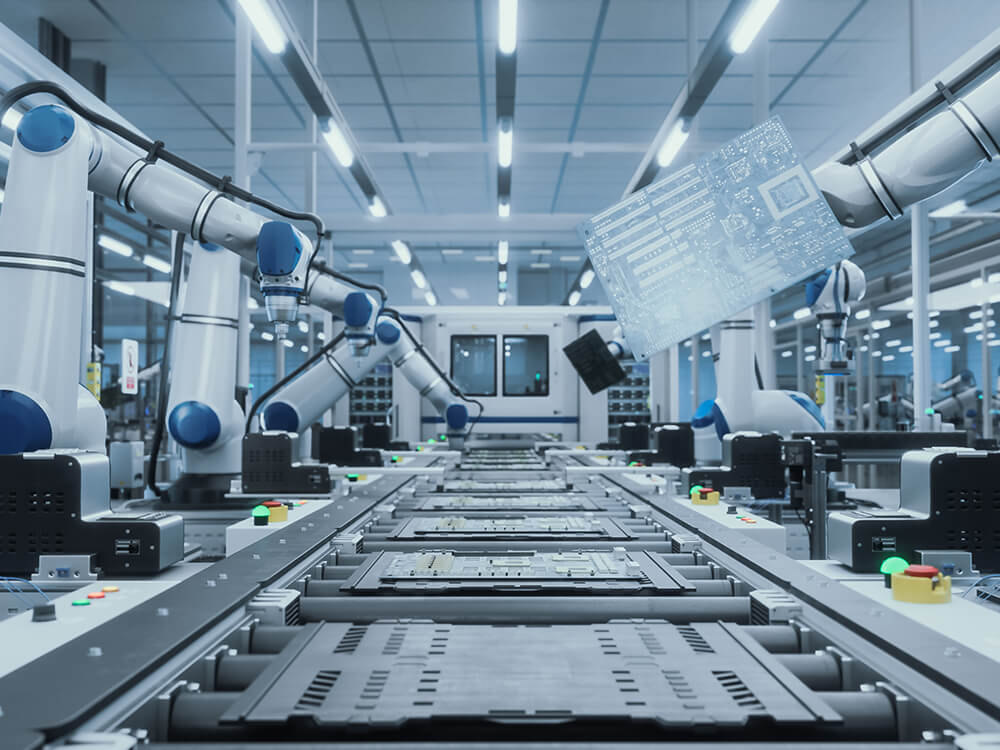
Hydraulic power units are used in many industries. Factories use them to run presses and machines. They help move heavy materials with conveyors and lifts. You also find them in machine tools and food processing machines. Mining and steel works use them for hard jobs.
Common uses include:
Presses and stamping machines
Injection molding and die-casting
Forging and metal forming
Conveyors and lifting platforms
Food processing and packaging lines
Mining and steel production
Hydraulic power units keep machines working with steady force. You can control speed and pressure very well. This helps you handle changes without slowing down. You get exact control over force and movement. This lets you make products faster and with fewer mistakes.
Hydraulic power units help you finish tasks quickly and safely. They save energy and lower costs because they use less oil and work efficiently.
Hydraulic power units are important in offshore, marine, and aerospace jobs. On ships, they run deck winches, steering gear, and cranes. In marine places, they power stabilizers and other big equipment. Offshore drilling platforms use them for drilling and safety systems.
Key uses in these fields:
Deck winches and cranes on ships
Steering gear and stabilizers in marine vessels
Drilling equipment on offshore platforms
Hydraulic systems in aircraft for landing gear and flight controls
Hydraulic power units give strong power in small spaces. They are reliable and safe, even in tough conditions. Custom designs help fit units into tight spots and add safety features. Hydraulic accumulators respond fast if a pump fails, keeping your system safe.
Benefit | Description |
|---|---|
Custom Fit | You can make the unit fit your space and needs. |
Flexibility | Pick the best power source and control for your environment. |
Specialized Safety | Add features for the special needs of offshore and aerospace work. |
Hydraulic power units help you work well, even in harsh places. You get the power, accuracy, and reliability you need for every job.
You can find the function of the hpu in many industries. It gives machines the power and control they need. The hydraulic power unit helps people work faster and stay safe. You can count on the hpu to work well every day. It uses new technology to make things better. In the future, the hpu will get even smarter. It will use smart controls and save more energy.
Type of HPU | Key Features and Trends |
|---|---|
Electric HPUs | Energy-efficient, precise, quiet |
Diesel HPUs | High power, robust, used in tough conditions |
Air Motor HPUs | Lightweight, safe for special environments |
As technology gets better, you will see more new ideas. These changes will help you do your work faster and easier.
You use an HPU to give your machine the power it needs. The HPU sends pressurized fluid to move parts like cylinders or motors. This helps your equipment lift, push, or turn with strength and control.
You should check your HPU regularly. Inspect fluid levels, filters, and hoses every month. Clean or replace filters as needed. Regular care helps your HPU last longer and work better.
Yes, you can use an HPU outdoors. Choose a unit with weather protection. Make sure you keep it clean and dry. Portable HPUs work well for outdoor jobs like construction or farming.
You use hydraulic oil in most HPUs. Always check your machine’s manual for the right type. Using the correct fluid keeps your system running smoothly and prevents damage.
A filter keeps dirt and debris out of your hydraulic fluid. Clean fluid protects your machine from wear and damage. You should check and change filters often for best results.
Author: MDP Hydraulics Technical Team
Expertise: Over 15 years of experience in the R&D and customization of hydraulic systems, lubrication systems, and jack-up systems.
Authority: Provider of industrial-grade solutions for key global sectors including heavy industry, aerospace, and marine engineering.
Trust: Manufacturing based on ISO standards, utilizing international quality components, committed to building long-term partnerships through reliable quality.


