Views: 0 Author: Site Editor Publish Time: 2026-01-12 Origin: Site
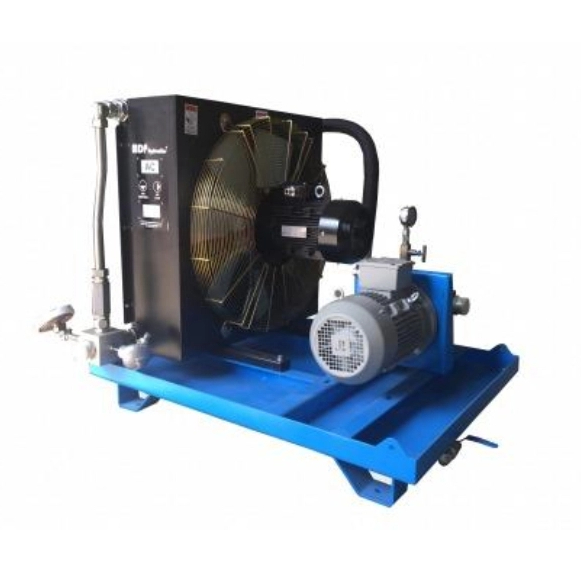
A hydraulic power unit (HPU), often referred to as a hydraulic power pack or hydraulic station, serves as the indisputable heart of any modern hydraulic system. It is a self-contained generator that creates, regulates, and delivers the pressurized fluid required to perform mechanical work. Unlike decentralized systems, this compact unit integrates all essential components into a single, efficient package. Understanding the working principle of a reliable industrial hydraulic station is fundamental for engineers, maintenance personnel, and anyone involved with machinery that relies on fluid power. This article will demystify the operation of this critical system component.

The fundamental operation of a hydraulic power pack is a elegant process of energy conversion. It follows a straightforward yet highly effective sequence. First, an electric motor or an internal combustion engine provides the initial mechanical energy. This energy drives a hydraulic pump, which draws fluid from a reservoir. The pump's primary role is to convert the incoming mechanical energy into hydraulic energy by pressurizing the fluid. This pressurized fluid is then directed through a series of valves, which act as control points. These valves meticulously manage the fluid's direction, pressure, and flow rate. Finally, the controlled, high-pressure fluid is transmitted through lines to actuators—hydraulic cylinders or motors—where the hydraulic energy is converted back into mechanical energy to perform tasks like lifting, pushing, or rotating. This makes the hydraulic power unit the core energy converter within the system.
A custom hydraulic power pack is a symphony of interconnected parts, each playing a vital role. The performance of the entire hydraulic system depends on the seamless interaction of these components.
Prime Mover (Electric Motor/Engine): This is the source of initial power, responsible for driving the hydraulic pump.
Hydraulic Pump: The core of the hydraulic station, it creates flow and generates pressure, transforming mechanical power into hydraulic power. Common types include gear, vane, and piston pumps.
Reservoir (Tank): This stores the hydraulic fluid, allows for air separation, aids in cooling, and lets contaminants settle.
Control Assembly (Valves): Often integrated into a hydraulic manifold block, this assembly includes direction, pressure, and flow control valves that govern the fluid's path and characteristics.
Auxiliary Components:
Filters: Essential for maintaining fluid cleanliness by removing particulate contaminants.
Coolers/Heaters: Regulate fluid temperature to ensure optimal viscosity and component longevity.
Accumulators: Store hydraulic energy and can dampen pressure pulses.
Operational Advantages and System Integration
The design of a well-engineered hydraulic power unit offers distinct advantages that make it indispensable. Its integrated nature provides significant benefits for system design and operation.
Compactness and Space Efficiency: By consolidating components, a compact hydraulic power pack saves considerable space compared to traditional, dispersed component layouts.
Enhanced Reliability and Safety: Reducing the number of external hoses and fittings minimizes potential leak points, boosting overall system reliability and safety.
Simplified Maintenance and Troubleshooting: Having all major components accessible in one location streamlines maintenance procedures and makes diagnosing issues faster and more efficient.
Optimized Performance: The integration allows for internal flow paths to be optimized for lower pressure drops and faster system response, which is a key feature of an intelligent hydraulic station.
In summary, the hydraulic power unit is far more than a simple pump; it is the sophisticated, self-contained power source that breathes life into a hydraulic system. From its role in energy conversion to the precise control offered by its integrated valves, the hydraulic station is a marvel of practical engineering. When selecting a hydraulic power pack for your application, partnering with a technologically advanced manufacturer is paramount. Companies like XCD Innovations are at the forefront of the industry, developing smarter, more efficient, and more reliable units that set the standard for performance. We urge buyers to prioritize quality and innovation over short-term cost savings. Choosing a superior industrial hydraulic station from a responsible manufacturer is not just an investment in your equipment's productivity, but a commitment to safety, sustainability, and the advancement of the industry as a whole.