Views: 0 Author: Site Editor Publish Time: 2026-01-15 Origin: Site
A hydraulic station, often referred to as a hydraulic power unit (HPU), is the heart and energy source of any industrial hydraulic system. It is a self-contained assembly that generates, regulates, and delivers pressurized fluid to perform mechanical work. This compact power pack is fundamental to the operation of countless machines, from massive industrial presses to mobile construction equipment. Understanding the function and composition of a reliable hydraulic station system is crucial for engineers and technicians working with fluid power technology. This article provides a comprehensive overview of what a hydraulic station is, how it functions, and why it is a cornerstone of modern industrial automation.

A hydraulic station is not a single component but an integrated system. Its performance relies on the seamless interaction of several key elements, each with a specific role in the power generation and control process.
The main parts of a typical hydraulic power unit can be broken down into the following categories, which work together to create a functional system.
• Power Generation Components
• Electric Motor or Engine: This is the prime mover that provides the initial mechanical power to drive the hydraulic pump.
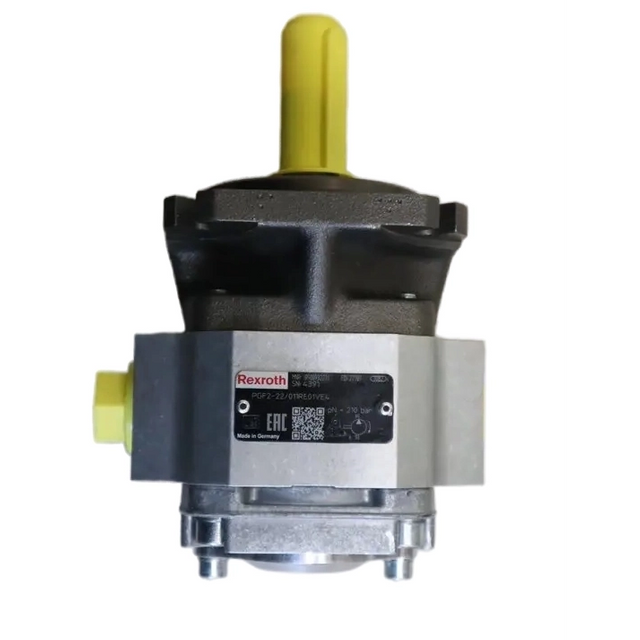
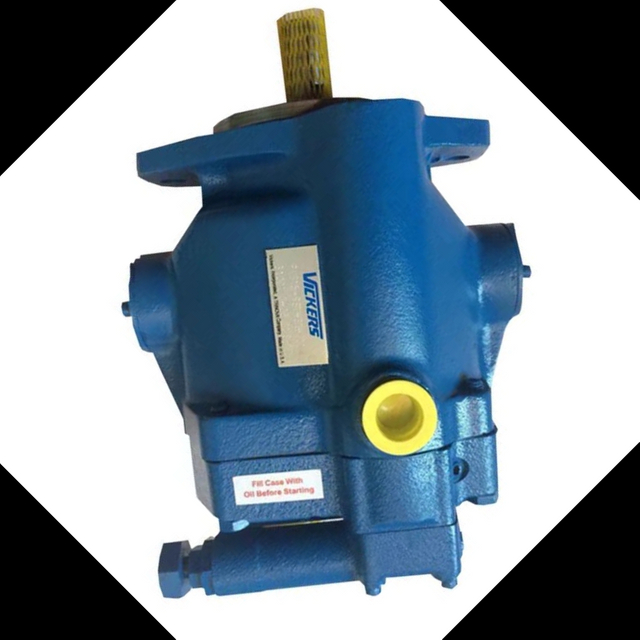
• Hydraulic Pump: This is the core component that converts mechanical energy into hydraulic energy by drawing fluid from the reservoir and pressurizing it. The type of pump (e.g., gear, vane, piston) determines the station's pressure and flow capabilities.
• Fluid and Conditioning Components
• Reservoir (Tank): This stores the hydraulic fluid, allows for heat dissipation, and helps separate air and contaminants from the oil.
• Filters: Essential for maintaining fluid cleanliness by removing particulate matter, which is critical for the longevity of all components within the hydraulic system.
• Coolers/Heaters: These devices maintain the hydraulic oil within an optimal temperature range to ensure proper viscosity and efficient operation.

• Control and Protection Components
• Hydraulic Valves: These include pressure control valves (e.g., relief valves), directional control valves, and flow control valves. They regulate the pressure, direction, and flow of the fluid within the hydraulic station system.
• Accumulator: An auxiliary component that stores hydraulic energy, dampens pressure pulses, and can provide an emergency power source.
The working principle of a hydraulic station is a continuous cycle of energy conversion and fluid transfer. The process can be summarized in a few key steps, demonstrating the synergy between the components.
First, the electric motor or engine activates, driving the hydraulic pump. The pump then draws hydraulic fluid from the reservoir. The hydraulic pump's action pressurizes the fluid, converting mechanical energy into hydraulic energy. This pressurized oil is then directed through a series of valves. These valves, which are part of the hydraulic control system, precisely manage the fluid's direction, pressure, and flow rate as required by the application. The controlled, high-pressure fluid is then transmitted through lines to actuators—hydraulic cylinders or motors. Finally, at the actuators, the hydraulic energy is converted back into mechanical energy to perform useful work, such as lifting, pressing, or rotating. The low-pressure fluid then returns to the reservoir, where it is cooled and filtered before the cycle begins again.
Hydraulic stations are not one-size-fits-all; they are designed in various configurations to meet specific application demands. They can be classified by their pump arrangement, such as top-mounted (compact) or side-mounted (easier maintenance). Drive options include electric motors for indoor factories or diesel engines for remote, mobile applications. Furthermore, a critical distinction lies in their control strategy. Standard systems use fixed pumps with valves controlling the flow, while advanced industrial hydraulic systems employ variable displacement pumps with load-sensing technology. This smarter approach allows the hydraulic power unit to deliver only the flow and pressure needed by the load at any given moment, dramatically improving energy efficiency and reducing heat generation.
In summary, a hydraulic station is far more than a simple pump; it is a sophisticated, integrated power generation system that serves as the core of any efficient hydraulic system. From its role in energy conversion to the precise control offered by its integrated components, the hydraulic power unit is a masterpiece of practical engineering. The versatility of the modular hydraulic station design ensures its continued relevance across industries like manufacturing, construction, and aerospace. As technology evolves, these systems are becoming smarter, integrating with IoT sensors for predictive maintenance and evolving into highly efficient, intelligent compact hydraulic power packs that are essential for the future of automation and industrial machinery.