Views: 0 Author: Site Editor Publish Time: 2026-03-09 Origin: Site
Hydraulic Power Units (HPUs) are the driving force behind many modern hydraulic systems. From factory presses to construction equipment, they supply the pressurized fluid needed to move heavy loads with precision. In this guide, we explain how a hydraulic power unit works and how an electric hydraulic pump powers hydraulic machinery. You’ll also learn the basic components, operating principles, and key design considerations engineers use when selecting an HPU for industrial applications.
Hydraulic systems move massive loads every day. Construction machines. Factory presses. Aircraft landing gear. All rely on one central source of hydraulic energy. That source is the Hydraulic Power Unit (HPU). It supplies pressurized fluid. It keeps hydraulic equipment moving, lifting, pushing, or rotating. An electric hydraulic pump inside the HPU often provides the driving force. Electric motors spin the pump. Fluid begins flowing. Pressure builds. Work happens.
A Hydraulic Power Unit (HPU) is a self-contained system designed to generate and control hydraulic pressure. It usually combines several components:
Electric motor or engine
Hydraulic pump
Oil reservoir
Valves and filters
Cooling or heating devices
Together they create, regulate, and deliver hydraulic power to a machine. The pump moves oil. Pressure builds inside the hydraulic circuit. Actuators then convert that pressure into motion or force.
People often use Hydraulic Power Unit and Hydraulic Power Pack interchangeably. In practice, they refer to very similar equipment. Still, there can be slight differences depending on the industry.
Feature | Hydraulic Power Unit (HPU) | Hydraulic Power Pack |
|---|---|---|
Typical Meaning | Complete hydraulic power system | Often a compact or packaged version |
Size | Small to very large industrial systems | Usually smaller and portable |
Application | Industrial plants, heavy machinery | Mobile equipment or small machines |
Components | Full system including controls and cooling | May contain fewer subsystems |
In many factories, engineers simply call both HPU.
A hydraulic system cannot function without a reliable energy source. The Hydraulic Power Unit fills this role. Think of it as the heart of a hydraulic machine. Pumps circulate fluid. Pressure builds inside pipelines. Actuators receive energy.
Key roles of a hydraulic power unit include:
Creating hydraulic flow using pumps
Building pressure required for heavy loads
Supplying energy to cylinders and motors
Controlling system performance through valves
Electric HPUs are common in modern equipment. Electric motors drive electric hydraulic pumps smoothly. They start quickly. They deliver consistent torque. Hydraulic power units provide several advantages in industrial environments.
Major benefits include:
High power density from compact systems
Smooth and precise motion control
Reliable operation in harsh conditions
Ability to handle extremely heavy loads
Flexible system design for different machines
Because of these strengths, HPUs appear across industries. Manufacturing plants. Construction sites. Mining operations. Marine systems.
Hydraulic systems rely on a simple physical principle. It comes from Pascal’s Law.
Pascal’s Law states:
Pressure applied to a confined fluid spreads equally in all directions.
This idea allows small forces to generate enormous output forces.
For example:
A pump applies pressure to hydraulic oil
That pressure travels through pipes instantly
A cylinder receives the pressure
The piston moves and lifts a heavy load
Even a small pump can produce huge lifting force.
Hydraulic pressure converts into mechanical motion through actuators. Two main motion types exist.
Motion Type | Actuator | Example Applications |
|---|---|---|
Linear Motion | Hydraulic Cylinder | Press machines, lifting platforms |
Rotational Motion | Hydraulic Motor | Winches, conveyor drives |
Hydraulic cylinders push or pull objects in straight lines. Hydraulic motors rotate shafts and mechanical systems. Inside both devices, pressurized oil pushes against internal surfaces. Force increases. Motion follows. Electric hydraulic pumps provide the pressure source. Fluid travels through valves and pipelines. Energy reaches the actuators almost instantly. That combination makes hydraulic systems powerful. It also makes them extremely precise in motion control.
Electric hydraulic pumps play a central role in modern hydraulic power units (HPUs). They generate the flow and pressure required for hydraulic systems to operate. When an electric motor drives a hydraulic pump, mechanical energy transforms into hydraulic energy. Pressurized fluid then travels through pipes and valves to power cylinders, motors, and other actuators. In many industries, electric-driven hydraulic systems are preferred because they deliver stable performance, precise control, and reliable power for demanding equipment.
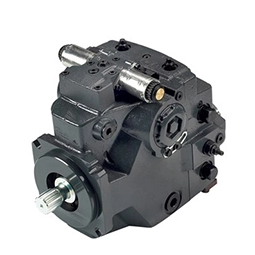
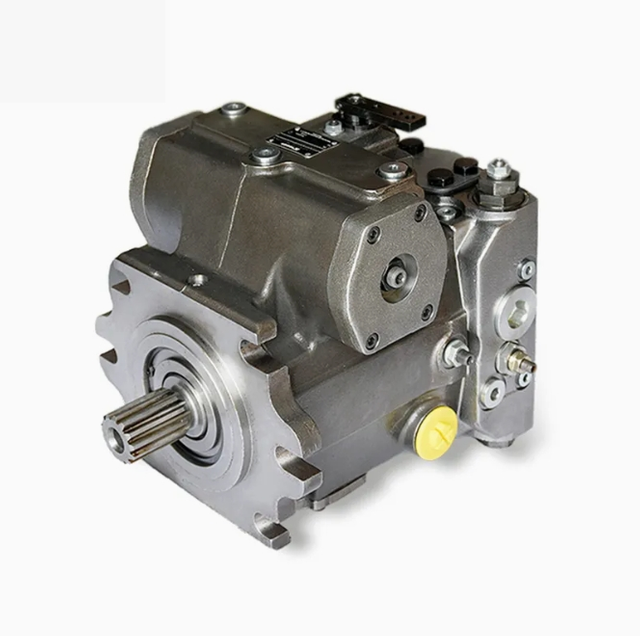
An electric hydraulic pump is a pump powered by an electric motor that moves hydraulic fluid and creates system pressure. It acts as the energy conversion device inside a hydraulic power unit. The motor rotates the pump shaft, which forces hydraulic oil from the reservoir into the hydraulic circuit. As the pump moves fluid through the system, resistance within pipes and valves causes pressure to build. This pressure becomes the usable force that drives hydraulic machinery.
Most electric hydraulic pumps use one of several common pump mechanisms:
Gear pumps – simple structure, affordable, widely used in general equipment
Vane pumps – smoother fluid delivery and lower operating noise
Piston pumps – designed for high pressure and high efficiency applications
The electric motor provides rotational energy while the pump converts this rotation into hydraulic flow.
Component | Function |
|---|---|
Electric Motor | Produces rotational power |
Hydraulic Pump | Converts rotation into fluid flow |
Hydraulic Fluid | Transfers energy through the system |
Actuators | Turn fluid pressure into mechanical motion |
This combination allows hydraulic power units to generate large forces using relatively compact equipment.
A hydraulic power unit operates through a continuous circulation of hydraulic oil. Electric hydraulic pumps drive this process by creating flow and pressure inside the system.
1. Electric motor starts and rotates the pump
The process begins when the electric motor receives electrical power. The motor shaft rotates and drives the hydraulic pump connected to it.
2. Pump draws hydraulic oil from the reservoir
As the pump rotates, it creates a low-pressure area at its inlet. Hydraulic oil from the reservoir flows into the pump chamber to fill this space.
3. Fluid is pressurized and sent through hydraulic lines
The pump then compresses the fluid and forces it out of the outlet port. Pressurized oil travels through hydraulic pipes and hoses toward the system components.
4. Control valves direct flow to actuators
Directional and pressure control valves regulate where the fluid moves and how much pressure is applied. These valves determine how the machine operates.
5. Cylinders or motors convert fluid energy into mechanical motion
Pressurized oil enters hydraulic actuators. Cylinders produce linear motion while hydraulic motors generate rotational motion.
Motion Type | Actuator | Typical Applications |
|---|---|---|
Linear motion | Hydraulic cylinder | Lifting platforms, presses, dump trucks |
Rotational motion | Hydraulic motor | Conveyor drives, winches, steering systems |
6. Fluid returns to the reservoir through filters and cooling systems
After the actuator completes its work, hydraulic oil flows back to the reservoir. Filters remove contaminants and cooling devices regulate oil temperature before the fluid recirculates.
Electric hydraulic pumps have become the standard solution in many hydraulic power units. They offer several advantages compared to systems powered by internal combustion engines.
High efficiency and stable torque
Electric motors deliver consistent rotational force across a wide speed range. This stability allows hydraulic pumps to maintain steady flow and pressure during operation.
Precise speed control
Motor speed can be adjusted using variable frequency drives. Operators can regulate pump output based on system demand, improving both performance and energy efficiency.
Lower maintenance requirements
Electric motors contain fewer moving parts than diesel or gasoline engines. They require less servicing and typically operate more quietly.
Compatibility with automated systems
Modern industrial equipment often uses programmable logic controllers (PLCs). Electric hydraulic pumps integrate easily into these systems, allowing real-time monitoring and remote control.
Choosing the right hydraulic power unit (HPU) affects system performance, reliability, and efficiency. Every hydraulic application demands different pressure levels, flow capacity, and operating conditions. Engineers usually evaluate several factors before selecting the most suitable configuration.
Pressure and flow determine how much force and speed a hydraulic system can produce. They must match the real needs of the machine. If the hydraulic power unit delivers too little output, equipment performance drops. Too much capacity wastes energy and increases operating cost. Pressure controls force output. Flow rate controls actuator speed.
Parameter | What It Controls | Typical Range |
|---|---|---|
Pressure | Force generated by cylinders or motors | 70–350 bar |
Flow rate | Speed of actuator movement | 1–200 L/min |
Power output | Overall system capacity | Depends on both |
Designers often start by calculating the required cylinder force or motor torque. From there, they estimate the pressure level. Then they determine the flow needed to reach the desired movement speed.
The motor supplies mechanical energy to the pump. It determines how the hydraulic power unit receives its power. Two main power sources exist.
Motor Type | Advantages | Limitations |
|---|---|---|
Electric Motor | Clean operation, precise speed control | Requires electrical supply |
Diesel Engine | Independent from grid power | Higher noise and emissions |
Electric motors power most modern electric hydraulic pumps. They provide stable torque and easy integration with automation systems. They also support variable speed drives. Operators adjust pump output when demand changes. Diesel engines appear in mobile equipment. Construction machinery often relies on them when electricity is unavailable.
Design teams evaluate several factors before deciding:
Availability of electrical infrastructure
Required mobility of the machine
Noise restrictions in the working environment
Energy efficiency goals
Each power source shapes the final system layout.
Hydraulic fluid stores energy and removes heat from the system. The reservoir must hold enough oil for stable operation. If the tank is too small, heat builds quickly. Oil temperature rises and reduces lubrication quality.
A common rule engineers use:
System Flow Rate | Recommended Reservoir Size |
|---|---|
Up to 20 L/min | 40–60 L tank |
20–80 L/min | 80–200 L tank |
Above 80 L/min | 3× pump flow capacity |
Cooling systems may also be necessary. Hydraulic oil heats during continuous operation.
Operating conditions strongly influence hydraulic power unit design. Indoor factory systems face fewer environmental risks. Outdoor equipment must handle harsher conditions. Engineers usually analyze the following factors.
Operating location
Environment | Design Considerations |
|---|---|
Indoor facilities | Noise control and compact design |
Outdoor installations | Weather protection and corrosion resistance |
Environmental exposure
Several elements may affect the system:
Dust or airborne particles entering the reservoir
High or low ambient temperatures
Moisture causing corrosion or oil contamination
Direct sunlight heating external components
Protective housings often surround outdoor electric hydraulic pump units. They shield motors, pumps, and valves from damage.
A: A hydraulic pump only generates fluid flow. A hydraulic power unit includes the pump plus a motor, reservoir, valves, filters, and controls to power and manage the full system.
A: Hydraulic power units are widely used in manufacturing, construction, marine equipment, agriculture, mining, and material handling systems that require strong and reliable force.
A: Selection depends on required pressure, flow rate, pump type, motor power, operating environment, cooling needs, and maintenance accessibility.
A: Efficiency improves through variable-speed electric pumps, proper system sizing, high-efficiency components, reduced leakage, and regular maintenance of filters and hydraulic fluid.
Understanding how a hydraulic power unit and electric hydraulic pump work together helps you design more efficient hydraulic systems. When pressure, flow capacity, pump type, and operating environment are carefully matched, hydraulic equipment can deliver reliable power and precise motion control for demanding industrial tasks.
If you are planning a new hydraulic system or upgrading existing equipment, working with experienced manufacturers makes the process much easier. Qingdao MDP Hydraulics Equipment Technology Co., Ltd. specializes in designing and producing customized hydraulic power units and electric hydraulic pump solutions for a wide range of industries. Our team focuses on performance, reliability, and long-term efficiency to support your hydraulic applications.