Product Description
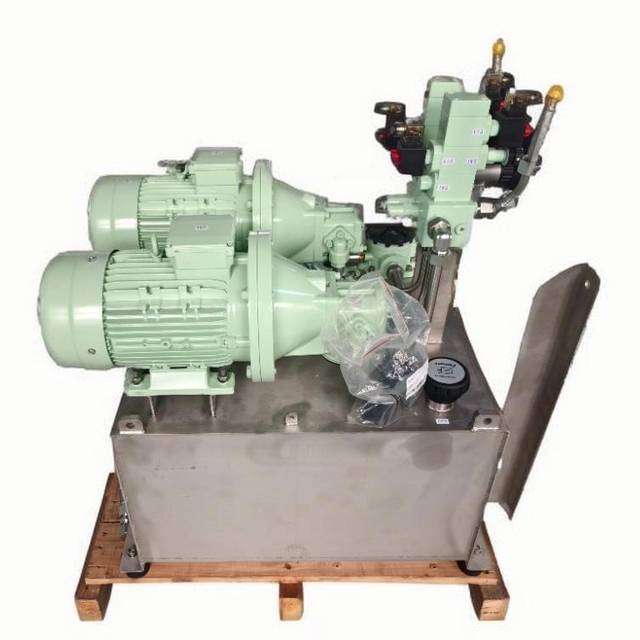
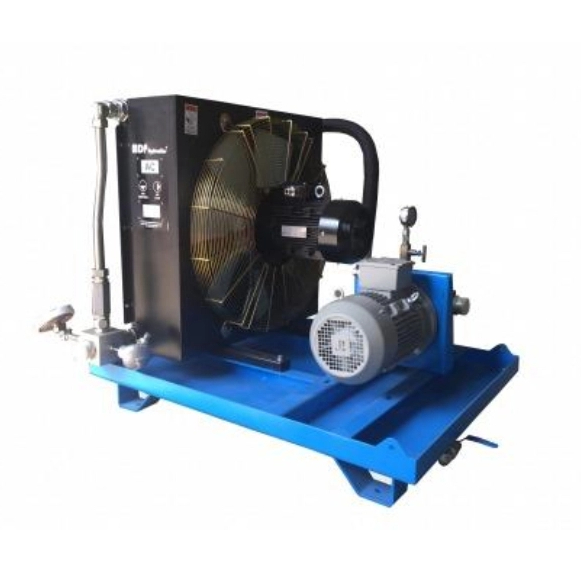
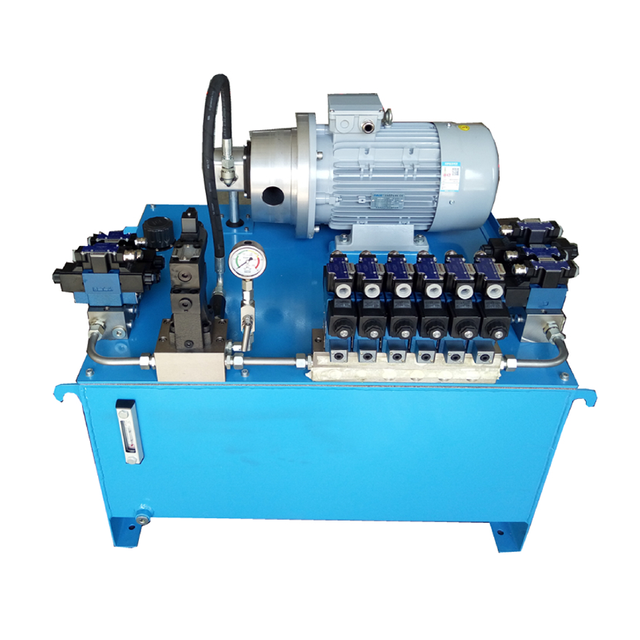
Customized high corrosion-resistant hydraulic valve blocks (also known as hydraulic integrated blocks or hydraulic manifolds) are the "nerve center" and "heart" of the hydraulic system. They integrate various control valves (such as directional valves, pressure valves, flow valves), plug valves and pressure measurement points scattered in the system into a sturdy metal block through highly precise internal oil channels. This product is specifically designed for harsh working conditions such as marine engineering, ships, chemical industries, food and pharmaceuticals, coastal and high-humidity industrial environments. By selecting high-performance corrosion-resistant materials such as 316/316L stainless steel, special aluminum alloys or PTFE, and combining fluid dynamics optimization design and precise manufacturing techniques, it provides a fully customized, highly reliable and long-lasting hydraulic control solution. The aim is to completely solve the core pain points of traditional separate valve groups, such as easy rusting, leakage and difficult maintenance in corrosive environments.
Core structure and design
A high-quality hydraulic center valve block is the perfect combination of its design, materials and manufacturing process.
• Valve body:
As the basic carrier, it is usually made of high-quality carbon steel (such as 45# steel), forged steel, or high-strength aluminum alloy (such as 6061, 2024) through overall milling or forging. The material selection is based on the working pressure, weight requirements, and environmental corrosiveness. For example, high-strength steel is commonly used in construction machinery to withstand high pressure and impact, while aerospace equipment prioritizes the use of high-strength aluminum alloy to reduce weight.
• Internal flow channels:
This is the essence of the design. The design is optimized using 3D CAD software and computational fluid dynamics software to ensure smooth transitions of the flow channels and avoid sharp corners, in order to minimize pressure loss, hydraulic shock and noise. The processing of deep holes and intersecting holes (such as using alloy steel plugs for reliable sealing) is crucial in the manufacturing process.
• Installation interface:
The surface of the valve block has been finely processed to ensure the sealing performance of the installed hydraulic valves (such as directional valves, plug-in valves). Common sealing methods include O-ring sealing, flat sealing, etc.
• Standard Oil Port: Clearly mark the standard oil port, for example:
P: Pressure oil inlet (connected to the pump)
T: Return oil port (connected to the fuel tank)
A, B: Operating oil ports of the actuator (connected to the hydraulic cylinder or motor)
X: Controls the pressure oil outlet
L: Oil discharge port
Functionality and Customization
The function of the hydraulic center valve block is entirely dependent on its internal flow channel design and the valves installed within. It can achieve:
• Coordinated control of multiple actuators:
such as controlling the complex combined movements of the boom, dipper, and bucket of an excavator.
Pressure grading control: By integrating relief valves and pressure reducing valves, different stable pressures are provided for different branches of the system.
• Precise speed adjustment:
By integrating throttle valves and speed control valves, the movement speed of the actuator can be precisely controlled.
We offer fully customized services, designing, simulating, manufacturing and testing on a one-to-one basis, based on your device schematic diagram, space layout and performance requirements.
Typical technical specifications and customization options
Pressure rating: Can be designed according to requirements. The standard range covers 10 MPa to 60 MPa, and for ultra-high pressure applications, it can reach above 400 MPa.
Flow capacity: The main oil passage and pilot oil passage diameters are customized based on the system's maximum flow rate to ensure low flow resistance.
Medium compatibility: Compatible with mineral hydraulic oil, synthetic esters, water ethylene glycol (HFC), phosphate esters (HFDR), and special chemicals.
Operating temperature: Standard materials are suitable for -20°C to +120°C. Special materials and sealing solutions can extend the temperature range to a wider range.
Interface standard: Offers various connection methods such as metric threads, imperial threads (NPT, BSPP), SAE flanges, and socket couplings, and supports non-standard customization.
Integrated functions: It can integrate two-way cartridge valves, plate valves, stacked valves, pressure reducing valve groups, throttle valves, pressure measurement connectors, sensor interfaces, etc.
Surface treatment: Offer options such as polishing, electrolytic polishing, nickel plating, chemical nickel plating, and Teflon coating, to further enhance corrosion resistance and aesthetic appeal.
Customized Development Process
Demand communication: Provide the schematic diagram of the hydraulic system, performance parameter table, installation space drawings, and environmental description (medium, temperature, corrosion factors).
Scheme design and simulation: Engineers conduct 3D modeling, optimize the flow path layout, and perform FEA/CFD simulation analysis to ensure structural strength and fluid performance.
Design review and confirmation: Submit 3D models, 2D engineering drawings and material list (BOM) for customer confirmation.
Precision processing: High-precision processing is carried out using CNC equipment, and intermediate process inspections are also conducted.
Cleaning and Assembly: Conduct thorough cleaning in a multi-stage ultrasonic cleaning line, achieving a cleanliness level of NAS 1638 6 or higher. Then assemble and test the stopper and process screws.
Testing and Delivery: Conduct stress tests, leakage tests and functional tests. Additionally, provide a complete set of test reports, certificates of conformity, and 3D model files.
Value proposition
Choose our custom high corrosion-resistant hydraulic valve block, and what you get is not just a component, but a complete system-level solution that is durable, reliable, and tailor-made. Through the deep integration of materials science, precision engineering and fluid technology, it fundamentally enhances the survival ability and full life cycle value of the hydraulic system in harsh environments, helping you reduce maintenance costs, minimize downtime risks, and achieve long-term stable output of equipment performance.