
Views: 0 Author: Site Editor Publish Time: 2026-02-11 Origin: Site
75-80% of hydraulic system part failures are due to contamination.
Fluid contamination is the leading cause of hydraulic failures.
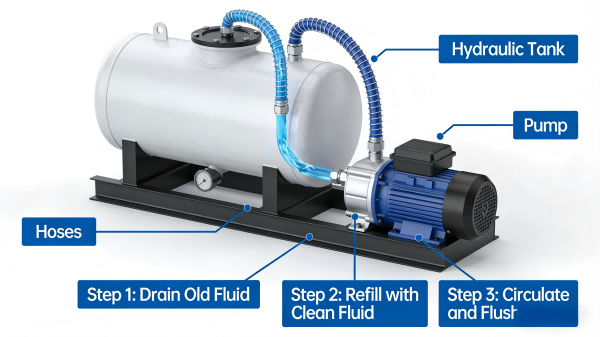
Flushing your hydraulic system often stops expensive damage. It also helps your equipment work well.
Always use the right flushing fluids. This keeps seals safe and matches your system.
Follow safety rules like wearing gloves and goggles. This keeps you safe when you flush the system.
Look for dirt and change filters after flushing. This helps keep your hydraulic system clean.
Check your hydraulic system often. This helps you find problems early and makes your equipment last longer.
Flushing hydraulic system parts removes things that can harm your equipment. Contaminants get inside in different ways. Some come from making the parts, like metal bits or fibers from cleaning rags. Others get in through leaks or broken seals, bringing water, dust, or sand. Chemical contamination happens when fluid breaks down from heat and pressure. Moving parts also make tiny particles inside.
Built-in contamination: residue, metal shavings, fibers
Water contamination: leaks, condensation
Chemical contamination: fluid breakdown
Particulate contamination: sand, mud, dust
Generated contamination: wear from moving parts
You need to get rid of contaminants to keep your hydraulic system safe and clean. If you leave them, filters can clog, parts can rust, and leaks can happen inside. Removing contaminants helps your hydraulic system stay free from harmful stuff.
Flushing hydraulic fluid makes your equipment work better and last longer. Dirty fluid causes friction and makes the system work harder. This leads to more wear, less power, and higher heat. Clean fluid moves easily and keeps parts cool. Flushing hydraulic fluid often stops breakdowns and keeps your equipment running longer.
Flushing your hydraulic system helps it respond faster and reduces wear. You protect pumps, valves, and actuators from damage. Clean oil means fewer repairs and lower costs.
Study | Findings |
|---|---|
Gu et al. | Flushing improved coal seam permeability and pressure relief |
Yang et al. | Flushing increased permeability around the borehole |
Cao et al. | Multiple flushes improved gas extraction rates |
Flush hydraulic fluid in these cases:
After breakdown, repair, or maintenance
After changes or updates
To stop problems before they start
Other signs are less power, more wear, higher heat, and dirty fluid. If your machine is new, just fixed, unused for a while, or broke down, you need to flush hydraulic fluid. If fluid is badly contaminated or broken down, act fast to stop big damage.
Flushing hydraulic fluid often keeps your system working well and reliably. You stop failures and protect your equipment.
Get ready to flush your hydraulic system by gathering tools, following safety steps, and checking your equipment. Doing these things helps you avoid problems and keeps your system working well.
You need certain tools and materials to flush the system right. Here are some important items:
Wrenches help you loosen and tighten fittings.
Crimpers are used for hose connections.
Fluid analysis kits check if the oil is good.
Contamination monitors find dirt or debris.
Use new hydraulic fluid that fits your system.
Only use approved flushing fluid, not brake cleaner or diesel fuel.
High-pressure hydraulic filters are needed.
Lint-free rags and drain pans help keep things clean.
Wear gloves and goggles for safety.
Pick hydraulic fluids and flushing agents that work with your system’s seals. Some solvents, like brake cleaner or diesel fuel, can hurt seals made from nitrile, neoprene, or EPDM. Always check your equipment manual for the right fluid and seal type.
You must follow safety rules to protect yourself and your equipment. Use this checklist to help you:
Only trained people should do maintenance.
Lock out and release pressure before starting.
Never skip safety guards or interlocks.
Lower or secure loads before opening circuits.
Stop pumps before shutting down and close valves.
Lock motor starters or remove fuses to stop accidents.
Make sure no pressure is left before working.
Clean up oil spills fast to prevent slips.
Use the right tools for repairs.
Test for leaks only after making sure it is safe.
Wear your safety gear and get your workspace ready. A clean and tidy area helps stop accidents and makes the job easier.
Check your hydraulic system before flushing. This helps you spot problems early and avoid bigger trouble later.
Inspection Step | Description |
|---|---|
Early Leak Detection | Look for small leaks at low pressure. Fix them before using full power. |
Verification of Sealing Effectiveness | Check seals and joints. Make sure they can handle stress. |
Prevention of Catastrophic Failures | Find weak spots and fix them to stop big breakdowns. |
Confirmation of Structural Integrity | Do a low-stress test to see if the system can handle normal pressure. |
Careful checking keeps your system safe and ready for flushing.
Begin by draining the old hydraulic fluid. This step gets rid of dirt and prepares your system for cleaning. Follow these steps for the best results: 1. Release the system pressure to stay safe. 2. Let the system cool down so you do not get burned. 3. Put on gloves and goggles to protect yourself. 4. Keep the reservoir covered to block dirt from getting in. 5. Gather your tools and set up drain pans. 6. Move cylinders down to let out more fluid. 7. Let air into the reservoir to help fluid drain faster. 8. Take out return-line filters for better draining. 9. Find and open the drain ports so gravity can help. 10. Use a pump or air to push out leftover fluid if needed. 11. Flush again if you see stubborn dirt. 12. Close the drains and put filters back after draining. 13. Throw away old hydraulic fluid the right way.
Tip: Always read the manufacturer’s instructions before you start. Some systems need special steps to avoid damage.
After draining, clean the reservoir and other parts. Dirt and sludge can build up inside, so cleaning is important for a full flush. 1. Wipe the reservoir with a lint-free cloth to remove dirt. 2. Use water and soap for tough spots. 3. Pump the cleaning solution through the system if needed. 4. Use a flushing machine for deep cleaning. This machine uses strong fluid to clean the reservoir and lines. 5. Check hoses, valves, and actuators for damage. 6. Replace any broken parts before flushing again.
Hydraulic reservoirs collect dirt over time. Cleaning them helps your system work better and last longer.
Now flush the hydraulic system to remove dirt from inside. This step uses flushing fluid and special flow to clean everything. Fill the reservoir with a thin flushing fluid. This fluid moves easily and helps push out dirt. Warm the fluid to about 140°F. Hot fluid works better at breaking down dirt. Make the fluid move fast by adjusting valves. Fast flow helps shake loose stuck dirt. Run the pump and move the fluid through all parts. Move actuators and valves so fluid reaches everywhere. Flush both ways if you can to clean hidden spots. Watch the fluid temperature and flow rate. Keep the temperature between 100°F and 140°F for best results.
For best results, use warm fluid and make it flow fast. Fast flow helps remove dirt that slow flow cannot reach.
After flushing, drain the flush fluid and change the filters. This step keeps new dirt from getting back in. Drain the flush fluid while it is still warm. Warm fluid carries away more dirt. Take out and replace all filters. Old filters can hold dirt and make the system work worse. Check the drained fluid for dirt or sludge. If you see a lot, flush again. Clean the reservoir again if needed.
Always change filters after flushing. This keeps your system clean and safe.
Refill the system with new hydraulic fluid and bleed out air. Air bubbles can cause noise and damage, so bleeding is important. 1. Fill the reservoir about three-fourths full with new fluid. 2. Bleed the pump by opening the relief or bypass valve. 3. Run the pump for 15 seconds, then stop for 45 seconds. Do this a few times to get the pump ready. 4. Run the pump for one minute with the bypass open. Stop and let it rest for a minute. 5. Close the bypass and run the pump with a load for up to five minutes. Let the relief valve lift to check flushing. 6. Stop the pump and let the system rest for five minutes. 7. Start the pump and move each actuator one at a time. Let fluid go back to the reservoir before moving the next one. 8. Watch the fluid level. If it drops below one-fourth, add more fluid to reach half. 9. Fill the reservoir to three-fourths and run the system in five-minute steps. Bleed air each time you stop.
Bleeding air keeps your system from making noise and helps it run smoothly.
After flushing, test and watch your system. This helps you find problems early and makes sure your equipment works well. Check for leaks and strange noises. These can mean air or dirt is still inside. Test the fluid often to watch for dirt. Clean fluid means your system is safe. Keep the oil between 100°F and 140°F for best results. Use good filters to catch dirt before it spreads. Run the system at normal pressure and watch how it works. Look for slow or jumpy movement.
Test fluid often and keep the temperature right. This helps your hydraulic oil last longer and work better.
You can avoid problems by watching for these mistakes during a flush: 1. Changing oil too soon or too late wastes oil or risks damage. 2. Not taking care of filters can make parts wear out faster. 3. Running the system too hot can break parts and ruin oil. 4. Using the wrong oil can hurt how your system works. 5. Skipping startup steps can damage parts because they need oil to work right.
Always follow the right steps and use the correct fluids. Careful flushing keeps your equipment safe and working longer.
Use fluids and cleaners approved by your system maker.
Keep oil temperature steady during flushing.
Make the fluid flow fast to remove dirt.
Change filters after every full flush.
Write down what you do for next time.
Throw away old fluid the right way.
A careful flush keeps your system clean and working well. You protect your equipment and save money on repairs.
You can flush hydraulic fluid in different ways. Each way works best for certain kinds of dirt and system needs. Picking the right method helps you get the cleanest results and keeps your equipment safe.
Mechanical cleaning uses tools to take out debris from your hydraulic system. You might use brushes, scrapers, or rough pads to clean inside reservoirs, pipes, or valves. This method is good when you see thick sludge or solid buildup that flushing fluids cannot remove. Use mechanical cleaning before a hydraulic fluid flush if your system has not been cleaned for a long time or after a big breakdown.
Tip: Always check parts after mechanical cleaning to make sure all debris is gone.
High-velocity flushing uses a strong flow of flushing fluid to make turbulence inside the system. This turbulence shakes loose dirt, metal bits, and other particles. You should use this method for systems with fine dirt or after repairs. High-velocity flushing is common in power plants, oil rigs, steel mills, and aerospace equipment where clean lines are very important.
Makes fluid move fast to shake loose particles
Good for systems that need a deep hydraulic fluid flush
Works well for regular maintenance and after repairs
Chemical flushing uses special cleaning solutions to break down and dissolve dirt. You move the chemical solution through the system for a set time. This method works best for light debris or varnish. It is a good choice for modern systems that need regular maintenance. Chemical flushing can target sticky or hard-to-remove deposits, but you must always flush again with clean oil to get rid of leftover chemicals.
Note: Always check that the chemicals are safe for your system’s seals and materials.
Power flushing uses high flow rates and cleaning agents to remove thick sludge, rust, and tough deposits. You use a high-flow pump to push fluid through the system. This method is best for older systems or when you find heavy dirt. Power flushing gives you a strong hydraulic oil flush and gets your system ready for new fluid.
Removes thick sludge and rust
Best for systems with lots of dirt
Often used before putting in new parts
Remember: Pick your flushing method based on your system’s size, how dirty it is, and what kind it is. Changing filters alone is not enough for a full hydraulic fluid flush.
After you flush your hydraulic system, check if the fluid is clean. Fluid analysis helps you find leftover dirt and keeps your equipment safe. There are different ways to test the oil. Portable particle counters give quick results for tiny particles. Visual checks help you see bigger dirt with a mesh screen. Strainers and bag filters catch large debris, but you might need to cut open bag filters to look inside. Laboratory tests are very accurate, but they take longer. Patch testing is fast for counting particles, but it can make mistakes.
Technique | Description |
|---|---|
Portable Particle Counters | Quick and reliable for finding tiny particles in oil, used for many jobs. |
Visual Inspections | Important for spotting visible dirt, often with a 100-mesh screen. |
Strainers | Used to catch big dirt, with types like Wye, Basket, and Witch's Hat strainers. |
Bag Filters | Cheap but not perfect, need to be cut open to check inside. |
Laboratory Analysis | Gives careful results but takes more time. |
Patch Testing | Fast way to count particles, but people can make mistakes. |
Tip: Use more than one way to make sure your hydraulic fluid is clean.
You need to watch how your hydraulic system works and check fluid often. This helps you find problems early and keeps your equipment working well. Checking fluid helps stop sudden breakdowns. You should decide how often to check based on how much you use your equipment and how important it is. Machines used a lot need checks more often than machines used less.
System Type | Recommended Testing Frequency |
|---|---|
Critical Systems | Every month or week |
Standard Equipment | Every three months |
After Maintenance | Right after maintenance |
Make a routine for checking and testing. This helps your hydraulic system work as it should.
You can stop new dirt from getting in by doing simple maintenance. Keep hydraulic fluid clean and free from dirt. Check fluid levels and quality often. Use good filters and change them regularly. Look at seals to keep dirt out. Check hoses and connections for leaks or damage. Watch system pressure and temperature with gauges. Test hydraulic fluid to find dirt. Make and follow a maintenance schedule.
Handle and store fluid the right way.
Filter all hydraulic fluid before putting it in the system.
Use clean, closed containers for storing fluid.
Keep out water, dirt, and dust.
Regular checks stop breakdowns and keep your workplace safe. You save money and have less downtime when you watch your hydraulic system.
Flushing your hydraulic system often helps protect your equipment. Clean oil helps pumps, valves, and actuators work well. Here are steps you should follow for good results:
Use fluids and cleaners your system maker approves.
Put in new filters and strainers.
Fill the reservoir with fresh hydraulic fluid.
Bleed the system to get rid of air.
Run the system at low pressure and look for leaks.
If you skip oil flushing, your equipment can rust or seals can break. This can lead to expensive downtime. Getting help from professionals can stop these problems and keep your equipment working. Always write down what you do and follow the maker’s instructions.
Clean oil helps your equipment last longer and have less downtime.
Author's note: Doing regular maintenance and careful flushing keeps your hydraulic system safe and efficient.
Flush your hydraulic system when you do regular maintenance. Flush it after repairs or if you see dirty fluid. Most experts say check fluid every three months.
Tip: Always follow your equipment maker’s schedule for the best results.
You cannot use just any cleaning fluid. Only use flushing fluid approved for your hydraulic system. Some solvents, like brake cleaner or diesel fuel, can hurt seals and cause leaks.
Safe Fluids | Harmful Fluids |
|---|---|
Approved flushes | Brake cleaner |
Hydraulic oil | Diesel fuel |
Your system may move slowly or make strange noises. Dirty fluid is another sign. Filters clogging often and high heat mean you need to flush.
Slow movement
Weird sounds
Dirty or dark fluid
You can flush your system if you follow safety steps. Use the right tools. Wear gloves and goggles. Depressurize the system before you start.
Note: If you are not sure, ask a professional for help.
If you skip flushing, fluid gets dirty and filters clog. Parts can break and your equipment may stop working more often. Repairs cost more.
Clean fluid helps your hydraulic system work well and last longer.
Author: MDP Hydraulics Technical Team
Expertise: Over 15 years of experience in the R&D and customization of hydraulic systems, lubrication systems, and jack-up systems.
Authority: Provider of industrial-grade solutions for key global sectors including heavy industry, aerospace, and marine engineering.
Trust: Manufacturing based on ISO standards, utilizing international quality components, committed to building long-term partnerships through reliable quality.


