Views: 0 Author: Site Editor Publish Time: 2025-12-03 Origin: Site
Hydraulic systems are all around us. They power heavy machinery, control vehicle brakes, and operate construction equipment. Simply put, a hydraulic system uses pressurized fluid to transmit force and motion.
The idea is simple: pressure applied to a fluid creates movement or force at another point. Oil is commonly used, but water-based or synthetic fluids appear in special applications. The magic lies in the system’s ability to multiply a small input force into a large output, making heavy, repetitive, or precise tasks possible with minimal effort.
Hydraulic systems follow Pascal’s Law: pressure applied to a confined fluid is transmitted equally in all directions. This principle allows consistent force to reach actuators, even over long distances. Understanding this concept is key to seeing why hydraulics are so powerful and versatile.
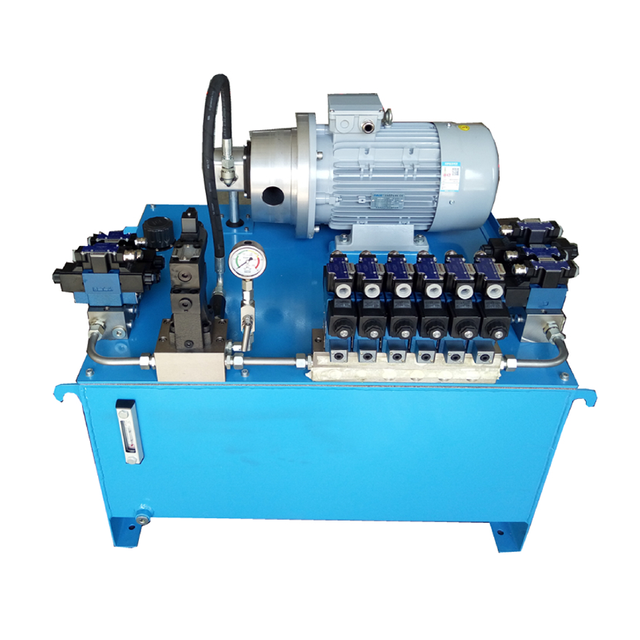
The first step in any hydraulic system is generating pressure in the fluid. A pump, driven by an engine or motor, forces the liquid through the system. The pressure can be finely adjusted depending on the weight of the load or the precision needed for the task. For example, a construction excavator lifts tons of material smoothly because the pump maintains consistent fluid pressure. The fluid acts as a medium to transfer energy from the source to the working parts without losing force along the way.
Maintaining proper pressure is crucial. Too low, and the system may fail to move heavy objects; too high, and components may be damaged or wear out prematurely. Pressure gauges and sensors often monitor this stage continuously to ensure optimal operation.
Once pressurized, the fluid must travel to the correct location. Valves, channels, and pipes guide the liquid to the actuator performing the work. Flow rate and direction are carefully controlled to prevent sudden or jerky movements, ensuring smooth operation.
This step is especially important in machines that require precision. For instance, in an industrial press, controlled fluid flow ensures that metal is stamped accurately without damaging the material. Safety mechanisms like flow regulators prevent over-speed or uncontrolled movement, protecting both the machinery and the operator.
After reaching the actuator, the pressurized fluid converts energy into motion. It pushes pistons, rotates hydraulic motors, or moves levers to perform work. Depending on the design, this motion can be linear—like extending a cylinder to lift a load—or rotational, like turning a motor to drive wheels or conveyors.
This stage illustrates the beauty of hydraulics: the same fluid power can create vastly different motions across multiple applications. It allows heavy machinery to perform precise movements, such as adjusting an airplane’s flaps or lifting a car on a hydraulic lift in a garage.
Hydraulic systems are typically designed as closed loops. Once the fluid has done its work, it returns to the reservoir to cool, settle, and get ready for the next cycle. This recycling reduces waste, prevents overheating, and ensures the system operates continuously without needing constant refilling.
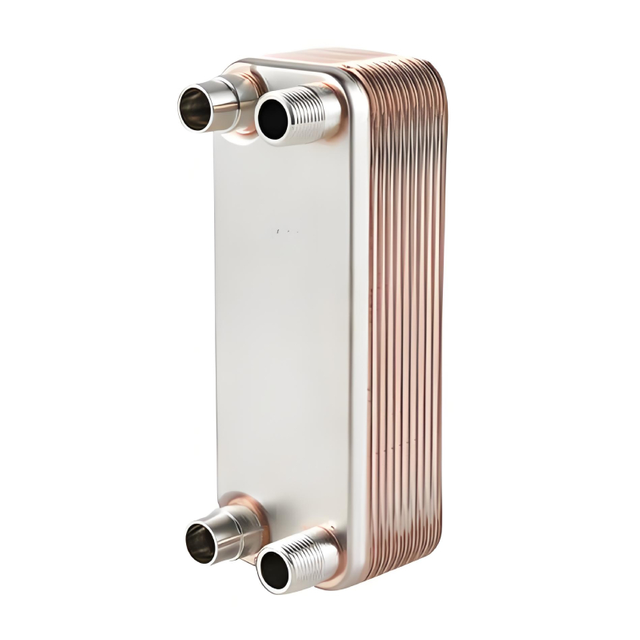
The reservoir also helps separate air bubbles and contaminants from the fluid. In some systems, additional filters and heat exchangers maintain fluid quality and temperature, ensuring long-term reliability and preventing damage to components.
One of the most remarkable features of hydraulic systems is their ability to multiply force. By using different cylinder sizes or linking circuits in series, a small amount of input force can produce a much larger output.
For example, pressing a brake pedal requires minimal effort, yet hydraulic pressure is transmitted through the brake lines to slow an entire vehicle. Similarly, in a construction excavator, a relatively small input from the operator can lift massive loads effortlessly. This principle allows hydraulics to perform tasks humans or simple motors could never manage efficiently, making them ideal for heavy-duty applications.
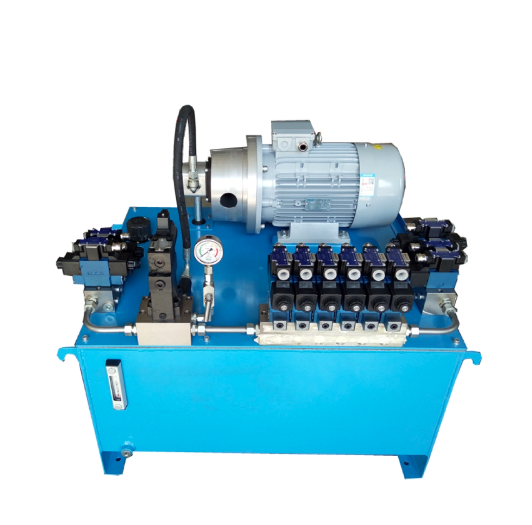
Hydraulic systems make life easier and more efficient in countless ways. They quietly power machines we interact with every day, often without us realizing it.
Excavators, loaders, cranes, and backhoes rely on pressurized fluid to lift, push, or move massive loads. With a small input from the operator, hydraulic cylinders and motors generate tremendous force, allowing machines to dig, lift, or place heavy materials repeatedly without fatigue. This efficiency is essential on construction sites, where time and safety are critical.
Most modern vehicles depend on hydraulics for safety and comfort. Power brakes amplify the force you apply to the pedal, stopping the car effectively with minimal effort. Power steering uses fluid pressure to make turning the wheel easier, even at low speeds. Hydraulic lifts in garages raise entire vehicles smoothly, enabling mechanics to work underneath safely without manual jacks. Hydraulic clutch systems provide smooth and precise engagement between the engine and transmission, allowing for effortless gear shifting and improved driving control. The hydraulic clutch uses fluid pressure to actuate the clutch, reducing pedal effort and enhancing overall performance and reliability.
Airplanes, helicopters, and rockets rely on hydraulics for precise and reliable motion control. Hydraulic systems operate landing gear, flaps, and flight control surfaces, adjusting them quickly and accurately. Even in zero-gravity environments, like space shuttles, hydraulics can generate the necessary force to extend or retract components, making them indispensable for aviation and space travel.
In factories, hydraulic systems deliver consistent, controllable force to presses, stamping machines, and automated production lines. This ensures precise shaping, cutting, or assembly of metals, plastics, and other materials. Hydraulics allow machines to perform repetitive tasks with accuracy, speed, and minimal human effort, improving productivity and product quality.
Hydraulics aren’t limited to heavy machinery. Dishwashers use hydraulic principles to increase water pressure, cleaning dishes more efficiently. Elevators and amusement park rides move smoothly and quietly thanks to hydraulic lifts. Office chairs, reclining seats, and even hydraulic trash compactors benefit from pressurized fluid, compressing loads or providing motion with minimal effort. These everyday applications show how hydraulics improve convenience, safety, and efficiency in our lives.
| Application | How Hydraulics Help |
|---|---|
| Construction Equipment | Lift, push, and move heavy materials repeatedly with minimal operator effort. |
| Automobiles | Power brakes, steering, and vehicle lifts for safety and ease of use. |
| Aerospace | Control landing gear, flaps, and flight surfaces accurately, even in zero gravity. |
| Industrial Machinery | Provide precise, consistent force for presses, stamping machines, and automated production lines. |
| Daily Life Applications | Increase water pressure in dishwashers, operate elevators and amusement rides, and compress trash efficiently. |

Hydraulic systems excel because they combine power, precision, and efficiency in ways few other technologies can. Their effectiveness comes from several key features:
Force Multiplication
A small input force can be transformed into a much larger output. This is why a technician pressing a brake pedal can stop a car, or why an operator can lift tons of material using an excavator. Hydraulic systems take advantage of fluid incompressibility to multiply effort without requiring massive engines or motors.
Smooth and Precise Control
Hydraulics allow fine control over speed, direction, and motion. Valves and regulators adjust flow and pressure, letting operators perform delicate tasks like positioning heavy components or controlling robotic arms in manufacturing. This precision is crucial in applications like aerospace, where even minor inaccuracies can have serious consequences.
Repetitive Heavy Tasks
They enable continuous operation of machinery that requires immense force. Construction equipment, presses, and automated assembly lines can repeat the same task thousands of times without fatigue or loss of performance. Hydraulic systems reduce the need for multiple human operators, increasing productivity and safety.
Adaptability Across Environments
Hydraulic systems function in diverse conditions. They perform reliably in freezing temperatures, dusty mines, underwater environments, and high-altitude aerospace applications. The ability to operate in mobile or stationary setups makes them essential for construction, industrial, and transportation industries alike.
Reduced Mechanical Complexity
Compared to gears, levers, and chains alone, hydraulics simplify the transmission of power. By using fluid pressure, machines can achieve linear, rotary, or multi-directional motion without complicated mechanical linkages. Fewer moving parts also mean lower wear and maintenance in many cases.
Hydraulics quietly power many aspects of daily life, often without us noticing. In car service garages, hydraulic lifts raise vehicles effortlessly, allowing mechanics to inspect or repair parts safely. Trash compactors use pressurized fluid to compress waste efficiently, saving space and reducing environmental impact. Even household appliances like dishwashers rely on hydraulics to increase water pressure for better cleaning, speeding up chores and improving results.
Hydraulics are essential in moving heavy objects that humans or simple machines cannot handle. On construction sites, cranes, backhoes, and loaders use hydraulic systems to lift, push, and transport massive materials with ease. Amusement park rides, elevators, and other moving platforms operate smoothly and safely thanks to hydraulic control, providing reliable motion under high loads. All of these applications rely on pressurized fluid to generate force, multiply it, and transform it into precise, controlled movement.
A: A hydraulic system is a technology that uses pressurized fluid to transmit force and motion, allowing machinery to lift, push, or move heavy loads efficiently.
A: It works by applying pressure to a fluid, which is then transmitted through valves, hoses, or cylinders to actuators that convert the fluid energy into mechanical motion.
A: They multiply input force, provide smooth and precise control, perform heavy repetitive tasks, and operate in various environments with minimal human effort.
A: Hydraulic systems commonly use oil, but water-based or synthetic fluids may be used in special applications, depending on temperature, safety, and performance requirements.
A: They are used in construction equipment, automobiles, aerospace, industrial machinery, elevators, amusement rides, and even household appliances like dishwashers.
Hydraulic systems are a cornerstone of modern machinery, quietly powering everything from massive construction equipment to everyday household appliances. Their ability to multiply force, provide precise motion, and handle heavy repetitive tasks makes them indispensable across industries. Understanding how a hydraulic system works helps us appreciate the engineering behind lifting tons of material, controlling vehicles, or ensuring smooth operation in factories and homes.
For businesses or professionals seeking reliable hydraulic solutions, Qingdao MDP Hydraulics Technology Co., Ltd. offers advanced systems, expert design support, and high-quality components tailored for diverse applications. Whether for industrial machinery, automotive systems, or specialized equipment, they provide the technology and expertise to maximize the efficiency, precision, and reliability of your hydraulic operations.