Views: 0 Author: Site Editor Publish Time: 2025-12-03 Origin: Site
Hydraulic systems are everywhere. From construction sites to factories, they make heavy work easier. By using pressurized fluid, they can generate huge force in a small package. They’re not just strong—they’re precise, versatile, and reliable. Let’s explore the top five advantages of hydraulic systems and why so many industries choose them.
Hydraulic systems pack an incredible punch. Even in very tight spaces, they can generate huge amounts of force. Unlike mechanical systems that rely on bulky gears, levers, or belts, hydraulics use pressurized fluid to transmit energy. This allows pumps and motors to remain relatively small and lightweight while still moving massive loads.
The compact design makes hydraulic systems ideal for machines where space and weight are critical. It’s one reason why they dominate in construction equipment, industrial machinery, and even aerospace applications.
Pressurized hydraulic fluid transmits energy with minimal loss. It flows through hoses, valves, and cylinders, creating controlled motion.
The piston surface area multiplies the force applied by the fluid, giving more power output from a smaller system.
Because force comes from the fluid, designers don’t need large mechanical assemblies, reducing overall system size.
Hydraulic systems can also use multiple pistons or stages to achieve even higher force density without adding bulk. This modular approach makes them highly adaptable for both mobile and stationary equipment.
Compact footprint allows integration into vehicles, industrial machines, or mobile equipment where space is limited.
Lightweight components reduce overall machine weight, improving efficiency and performance.
High power output per unit weight makes hydraulics suitable for applications where traditional electric or pneumatic systems would be too heavy or large.
Excavators lifting several tons of soil or debris with small, compact hydraulic cylinders.
Industrial presses applying immense force to shape metal, punch holes, or mold materials efficiently.
Aircraft actuators controlling landing gear, flaps, and other critical surfaces where weight and reliability are crucial.
Table: Power Density Comparison
| Component Type | Weight per Unit Power | Size (%) vs. Electric |
|---|---|---|
| Hydraulic Pump | 0.03 N/W | 12–13% |
| Electric Motor | 0.3 N/W | 100% |
Hydraulic systems outperform pneumatic alternatives in high-force applications. Air compresses, reducing stability and efficiency. In contrast, liquids are practically incompressible, which means force is transmitted smoothly and consistently, even under heavy loads. This makes hydraulics ideal for demanding tasks that require both strength and precision.
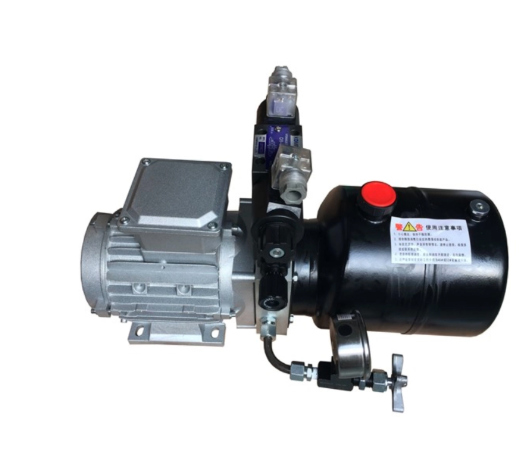
Hydraulic systems aren’t just powerful—they’re smart. They allow operators and machines to control speed, force, and motion with remarkable accuracy. This precision is one reason hydraulics dominate in industries where safety, repeatability, and smooth operation are crucial.
Adjusting the hydraulic flow rate allows fine-tuning of actuator speed, giving better control over tasks.
Force can be applied gradually, preventing sudden jerks that could damage materials or equipment.
Systems respond rapidly to operator commands, ensuring quick adjustments in dynamic environments.
For example, in a robotic assembly line, precise hydraulic control ensures each arm moves smoothly to pick, place, or assemble parts without misalignment. In construction equipment, it allows excavator buckets to lift, tilt, and dump loads with exact accuracy.
Hydraulic fluid cushions motion, absorbing shocks and reducing vibrations.
Advanced sealing and damping technologies minimize stick-slip effects, especially at low speeds.
Torque and shock reduction systems improve operator comfort and protect machinery from sudden stress.
Smooth operation isn’t just about comfort—it increases productivity. Machines can work faster, safer, and with less wear and tear. For instance, aircraft landing gear and flight control surfaces rely on smooth hydraulic action to operate safely under variable loads and speeds.
Hydraulic precision and smooth operation are essential in:
Robotic arms and automated assembly lines – Fine-tuned force control improves accuracy and reduces product defects.
Plastic injection molding machines – Variable flow control enables consistent molding speed and quality.
Fleet braking systems – Quick hydraulic response ensures reliable stopping power and safety.
| Aspect | Benefit |
|---|---|
| System Pressure | Maintains stable force even under varying loads |
| Flow Rate Control | Accurate speed and motion management |
| Fast Response | Immediate adjustment to operator input |
| Component Selection | High reliability and durability under stress |
| Fluid Cleanliness | Reduces contamination to maintain precision |
| Shock & Torque Reduction | Minimizes vibrations, improves operator comfort |
Recent advances, such as electrohydraulic controls and variable frequency drives, allow even finer adjustment of speed and force. These technologies make hydraulic systems quieter, more energy-efficient, and easier to automate.
Hydraulic systems are extremely adaptable. They can fit into tight spaces, handle complex layouts, and operate in a wide range of environments. This versatility is why so many industries rely on hydraulics for tasks ranging from heavy lifting to precision motion control.
Hydraulic lines can be routed around obstacles, making it easier to design machines in confined spaces.
Compact layouts are possible where mechanical gears or linkages would be too bulky or impractical.
Configurations can be customized to meet specific needs: single-acting cylinders for simple linear motion, double-acting for push-and-pull tasks, and telescopic cylinders for extended reach in limited space.
This flexibility allows engineers to create compact, high-performance machinery that performs tasks mechanical systems struggle to achieve. For instance, a hydraulic excavator can maneuver in tight urban construction sites without sacrificing lifting capacity.
Hydraulics perform reliably in dusty, wet, or dirty conditions where mechanical systems might fail.
Components can withstand temperature extremes, from freezing cold to high-heat industrial environments.
Specialized hydraulic fluids and sealed systems allow operation underwater or in underground mining environments.
Because hydraulic systems are enclosed and less exposed to environmental hazards, they require less frequent maintenance compared to open mechanical systems, making them ideal for harsh or remote locations.
Hydraulic systems support a wide variety of industries, enabling machines to perform tasks that require both power and precision.
Construction: Excavators, cranes, concrete pumps, and bulldozers rely on hydraulics for heavy lifting, precise positioning, and smooth motion in challenging terrain.
Aerospace: Hydraulic actuators control flight surfaces, landing gear, and braking systems, ensuring reliable operation under high stress and variable temperatures.
Manufacturing: Hydraulic presses, robotic arms, and injection molding machines achieve high repeatability, fine motion control, and heavy load handling.
Table: Hydraulic System Applications
| Industry | Example Equipment | Key Attribute |
|---|---|---|
| Construction | Excavators, Cranes, Concrete Pumps | High power, precise motion |
| Aerospace | Flight Controls, Landing Gear | Reliability under stress |
| Manufacturing | Presses, Robotic Arms, Injection Molding | Smooth, repeatable operation |
| Agriculture | Tractors, Harvesters, Sprayers | Adaptable, versatile |
| Mining | Hydraulic Drills, Loaders | Robust, environmental resistance |
Hydraulics continue to evolve, with hybrid and intelligent systems offering enhanced efficiency and predictive maintenance. This makes them not only versatile but also energy-efficient and ready for modern industry demands.
Hydraulic systems are built for durability. Fewer moving parts mean less wear, simpler maintenance, and longer operational life compared to mechanical systems. They are designed to work hard in demanding environments while keeping downtime and repair costs low.
Pumps, valves, and cylinders are modular and easy to service individually, reducing the need to disassemble the entire system.
Standardized and serialized components make replacements faster and reduce spare parts inventory.
Hydraulic fluid continuously lubricates moving parts during operation, reducing friction and extending component life.
These design features make hydraulic systems suitable for high-use equipment in construction, manufacturing, and mining.
Integrated filters keep hydraulic fluid clean, protecting pumps and actuators from wear.
IoT-enabled sensors and predictive maintenance systems can monitor pressure, flow, and fluid quality, alerting operators before issues become serious.
Routine inspections, such as checking hoses, fittings, and seals, are straightforward and prevent minor issues from turning into costly repairs.
Pressure relief valves protect the system from overload, preventing damage during unexpected spikes in load or pressure.
Hydraulic cylinders, pumps, and actuators are designed to handle high force repeatedly without significant wear.
Reduced mechanical contact between parts leads to less vibration and lower risk of fatigue failure.
Table: Maintenance Impact on Lifespan
| Maintenance Practice | Impact on System Lifespan |
|---|---|
| Regular fluid checks | Reduces wear, prevents failure |
| Seal and hose inspection | Prevents leaks and contamination |
| Filter cleaning/replacement | Maintains fluid quality |
| Pressure and temperature monitoring | Avoids overload and overheating |
Proper maintenance ensures hydraulic systems deliver reliable performance for years, making them a cost-effective choice for industries requiring heavy-duty, continuous operation.
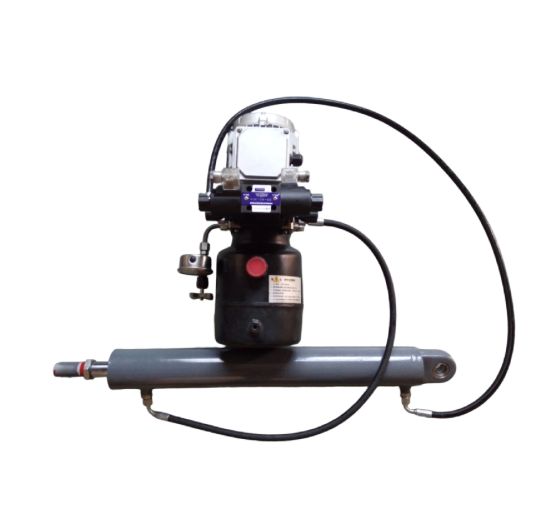
Hydraulic systems combine high power, precision, and safety, making them ideal for demanding industrial environments. Their design and operational features protect both equipment and operators while optimizing energy use.
Hydraulics operate in a closed environment, which shields critical components from dust, dirt, and moisture. This enclosure helps maintain consistent performance even in harsh or dirty workplaces. Many systems use fire-resistant hydraulic fluids, reducing the risk of fire in high-temperature or flammable settings, which enhances workplace safety. Quick-response shutdown mechanisms are another safety advantage. In case of emergencies, the system can stop almost instantly, protecting both operators and machinery from damage. These safety measures make hydraulics reliable for heavy construction, mining, and manufacturing operations where human safety is a priority.
Hydraulic systems transmit power with minimal energy loss because the fluid directly carries force from the pump to the actuator. Unlike mechanical systems, which lose energy through friction and heat, hydraulics maintain efficiency across long distances and complex layouts. Advanced technologies, such as variable frequency drives and flow-matched control, allow the system to adjust the flow rate precisely according to operational demands. This reduces wasted energy and lowers operational costs. Electrohydraulic and predictive control technologies further optimize energy use by adjusting system parameters dynamically, ensuring energy is only used where and when needed.
The combination of safety and efficiency translates into measurable benefits in real-world applications. Hybrid hydraulic excavators, for example, can reduce fuel consumption by up to 25%, while AI-driven predictive maintenance programs help minimize unplanned downtime by 40%. In manufacturing, smooth and efficient hydraulic operation improves production line throughput, reduces wear on components, and extends equipment lifespan. Across industries, these systems deliver a balance of power, reliability, and cost-effectiveness that mechanical or pneumatic systems often cannot match.
Hydraulic systems are designed with safety features such as enclosed components that protect against dust and moisture, fire-resistant hydraulic fluids, pressure relief valves to prevent overload, and quick shutdown mechanisms that protect both operators and machinery in emergencies.
Hydraulic systems can operate for many years if maintained properly. Regular fluid checks, inspection of seals and hoses, cleaning or replacing filters, monitoring pressure and temperature, and using IoT-based predictive maintenance all contribute to extending the system’s lifespan.
Hydraulic systems can reliably operate in harsh environments, including dusty, wet, or dirty conditions, extreme temperatures, underwater, or in mining operations. Sealed components and specialized fluids ensure consistent performance under these challenging conditions.
Maintenance for hydraulic systems includes checking and replacing hydraulic fluid, inspecting seals, hoses, and connectors for wear, cleaning or replacing filters, monitoring system pressure and temperature, and optionally using IoT-based predictive maintenance for early detection of potential issues.
Hydraulic systems have proven to be indispensable across industries due to their high power density, precise control, versatility, and reliability. Whether it’s lifting heavy loads on construction sites, ensuring smooth motion in manufacturing lines, or controlling critical components in aerospace, a well-designed hydraulic system can make complex tasks easier and more efficient. For businesses looking for advanced, durable, and energy-efficient hydraulic solutions, Qingdao MDP Hydraulics Technology Co., Ltd. offers a wide range of high-quality products and customized systems to meet diverse industrial needs. Partnering with experienced professionals ensures that your hydraulic system operates safely, efficiently, and reliably, helping your operations achieve maximum performance.