Views: 0 Author: Site Editor Publish Time: 2025-12-03 Origin: Site
Hydraulic systems are the backbone of modern machinery, enabling precise motion control and high-force output in industries ranging from construction and manufacturing to aerospace and robotics. By using pressurized fluid to transmit energy, hydraulic systems can perform work that would be difficult or impossible with purely mechanical systems. In this article, we’ll explore the 5 basic components of a hydraulic system, explain how they function, and discuss their significance in practical applications.
Hydraulic systems are preferred in many applications because they:
Generate high force and torque with compact components.
Provide smooth, vibration-free, and precise motion.
Are flexible in delivering linear and rotary power.
Require relatively simple maintenance compared to mechanical alternatives.
Are capable of transmitting motion without backlash, ensuring consistent performance under varying loads.
These advantages make hydraulics ideal for tasks ranging from heavy lifting to delicate positioning in robotic systems.
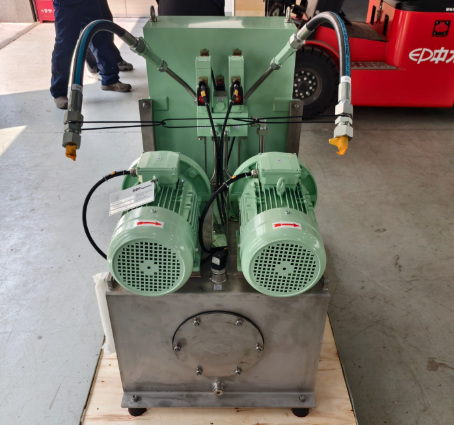
Hydraulic fluid is often referred to as the lifeblood of a hydraulic system, because it performs multiple critical functions. It not only transmits power from the pump to the actuators but also lubricates moving components, reduces friction and wear, dissipates heat, and helps maintain the system’s overall efficiency. Selecting the correct fluid is crucial to ensure the longevity, reliability, and performance of the system.
Key properties include:
Viscosity: The fluid must be carefully balanced—low enough to reduce internal friction and allow smooth flow, yet high enough to maintain a lubrication film on moving components to prevent wear.
Incompressibility: A non-compressible fluid ensures that the force applied by the pump is effectively transmitted to the actuators without delay or loss, which is essential for precise control.
Temperature Stability: Hydraulic systems can operate in extreme conditions. The fluid must resist boiling at high temperatures and maintain liquidity at low temperatures to prevent freezing or cavitation.
Compatibility: The fluid should be chemically stable and non-corrosive to prevent damage to seals, hoses, pumps, and other components.
Types of hydraulic fluids include mineral oil-based, synthetic, and water-based varieties. Mineral oils are widely used for their cost-effectiveness, corrosion resistance, and stable viscosity. Synthetic fluids excel in extreme temperatures and high-pressure applications. In certain specialized systems, water-based fluids may be used, though they require corrosion inhibitors. Choosing the right fluid directly affects pump efficiency, actuator performance, system reliability, and maintenance intervals.
The reservoir serves as the storage tank for hydraulic fluid, but its function extends far beyond simply holding liquid. A properly designed reservoir supports the system’s performance and durability in several ways:
Heat Dissipation: Hydraulic systems generate heat during operation. The reservoir provides a large surface area for fluid cooling, helping maintain a safe operating temperature.
Impurity Settling: Solid particles, sludge, or contaminants can accumulate in hydraulic fluid. The reservoir allows these impurities to settle, reducing the risk of system damage.
Air and Moisture Separation: Air bubbles or moisture can compromise system performance. The reservoir helps vent air and allows moisture to separate from the fluid.
Maintaining System Pressure: While not pressurized itself, the reservoir ensures that pumps have a steady supply of fluid for smooth system operation.
Reservoirs can be open, closed, or custom-built, depending on the application and system requirements. Regular maintenance is essential—monitoring fluid levels, checking for contamination, and replacing filters or strainers helps extend the lifespan of the system and prevent failures.
The pump is the engine of the hydraulic system, responsible for converting mechanical energy from a motor or engine into hydraulic energy by pressurizing the fluid. The pump’s performance dictates the system’s flow rate, pressure, and overall efficiency, which directly affect actuator performance and the ability to perform work.
Common pump types:
Gear Pumps: Compact and robust, gear pumps provide a steady flow suitable for general-purpose applications. They are durable but less efficient at high pressures and can generate some noise.
Piston Pumps: Known for high pressure capabilities, variable displacement, and superior efficiency. Piston pumps are ideal for heavy-duty machinery or applications requiring precise control.
Vane Pumps: Provide smooth flow with moderate pressure output, often used in industrial equipment where quiet operation and reliability are priorities.
Choosing the right pump involves evaluating system requirements such as flow rate, pressure range, efficiency, and compatibility with actuators. For example, construction equipment like excavators typically uses piston pumps to achieve high-pressure performance and consistent lifting force.
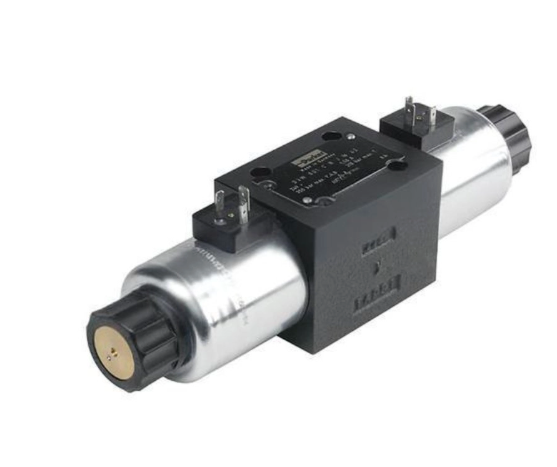
Hydraulic valves are the control center of a hydraulic system, directing the fluid to where it is needed, regulating pressure, and managing flow rates. Properly selected valves ensure safety, efficiency, and smooth operation, acting as “gatekeepers” that protect system components from overload or improper flow.
Types of valves:
Directional Control Valves: Direct fluid to specific actuators, determining movement direction and ensuring accurate operation.
Pressure Control Valves: Prevent overpressure by redirecting excess fluid back to the reservoir, protecting pumps, actuators, and other components.
Flow Control Valves: Adjust the flow rate to control actuator speed, enabling smooth, precise movement.
Check Valves: Allow fluid to flow in one direction only, preventing backflow that could damage the system.
For high-performance applications, servo valves provide highly precise control of flow and pressure, which is essential in robotics, CNC machines, and aerospace systems. Selecting the right valves ensures not only efficiency but also system safety and longevity.
Actuators are the final step in converting hydraulic energy into mechanical work, providing linear or rotary motion depending on the application. They determine the machine’s actual movement and performance.
Types of actuators:
Linear Actuators (Hydraulic Cylinders): Produce straight-line motion for pushing, lifting, or pressing tasks. Example: dump trucks rely on hydraulic cylinders to lift and lower their payloads.
Rotary Actuators (Hydraulic Motors): Convert hydraulic energy into continuous rotary motion, ideal for wheels, conveyors, or rotary equipment in industrial and agricultural machinery.
Semi-Rotary Actuators: Rotate over a limited angle, used in applications that require precise positioning without full 360° rotation.
Actuator design considers stroke length, bore size, load capacity, and precision requirements, which directly influence speed, force, and accuracy. Properly engineered actuators ensure smooth, reliable operation, whether in heavy construction equipment, manufacturing machinery, or robotic systems.
While the 5 components above are essential, other parts support the system’s performance:
Hydraulic Hoses and Piping: Transfer fluid while withstanding high pressure; minimum bend radius is crucial to prevent leaks.
Filters: Remove contaminants and extend component life.
Pressure Regulators: Maintain safe operating pressure levels.
Power Sources: Motors or hydraulic power units (HPUs) provide the energy required to drive the pump and maintain system operation.
Hydraulic leaks often occur in hoses, seals, fittings, or connections and can reduce system efficiency while posing safety hazards. It is important to regularly inspect hoses and connections for signs of wear, cracking, or bulging. Seals and gaskets should be checked and replaced if they show any damage. Proper torque must be applied when tightening fittings to prevent leaks without damaging components. Detecting and repairing leaks early helps maintain system pressure and prevent fluid loss or environmental contamination.
Contaminants such as dirt, metal particles, and sludge can enter the hydraulic system and cause excessive wear, clog valves, or reduce actuator performance. Filters should be replaced regularly according to manufacturer guidelines to keep the fluid clean. The reservoir should be periodically cleaned to remove sediment and sludge buildup. Monitoring the condition of hydraulic fluid through visual inspection or particle counters helps detect contamination early. Keeping the fluid clean ensures smooth operation and prolongs component life.
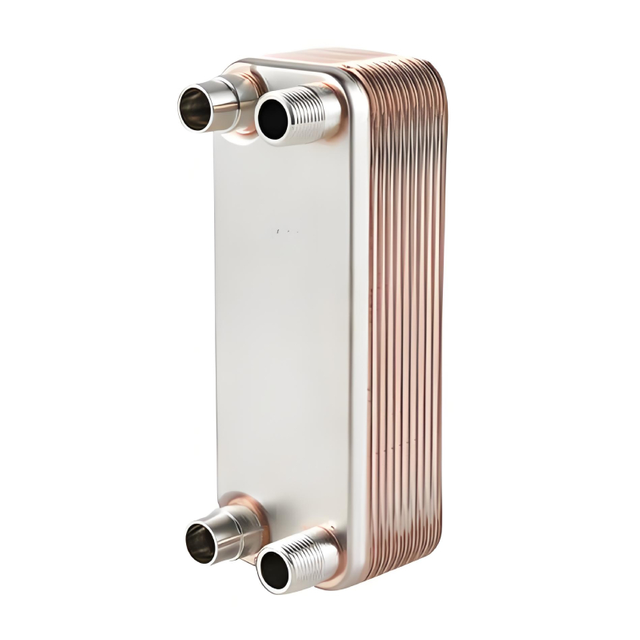
Excessive heat can degrade hydraulic fluid, reduce lubrication efficiency, and accelerate wear on system components. Overheating often results from high ambient temperatures, heavy workloads, or insufficient cooling. Hydraulic systems should be equipped with effective cooling solutions, such as heat exchangers or fans. The hydraulic fluid selected must have appropriate thermal stability for the operating conditions. Monitoring fluid temperature regularly allows operators to take corrective action before damage occurs. Maintaining proper temperature control preserves fluid properties and system performance.
The five basic components of a hydraulic system are hydraulic fluid, reservoir, hydraulic pump, valves, and actuators. These components work together to transmit power, control motion, and convert hydraulic energy into mechanical work.
Hydraulic fluid transmits power from the pump to actuators, lubricates moving parts, reduces friction and wear, dissipates heat, and ensures smooth and efficient system operation. Choosing the right fluid with proper viscosity, incompressibility, and temperature stability is essential for performance and longevity.
Common hydraulic pumps include gear pumps, piston pumps, and vane pumps. Gear pumps are compact and robust, piston pumps handle high pressure and variable flow, and vane pumps provide smooth flow with moderate pressure. The pump type is selected based on system pressure, flow requirements, and application needs.
Valves control the direction, pressure, and flow of hydraulic fluid. Directional control valves guide fluid to specific actuators, pressure control valves prevent overpressure, flow control valves regulate actuator speed, and check valves prevent backflow. Proper valve selection ensures safe and efficient system operation.
Actuators convert hydraulic energy into mechanical motion, either linear or rotary. Linear actuators (cylinders) provide straight-line motion, rotary actuators (hydraulic motors) produce continuous rotation, and semi-rotary actuators rotate over a limited range. Actuators determine the actual movement and force of the machine.
Understanding the 5 basic components of a hydraulic system—hydraulic fluid, reservoir, pump, valves, and actuators—is essential for anyone working with or designing hydraulic machinery. Each component plays a critical role in transmitting power efficiently, controlling motion accurately, and ensuring the overall reliability and longevity of the system. Regular maintenance, proper fluid selection, and careful monitoring of system performance are key to preventing common issues such as leaks, contamination, and overheating.
For businesses and industries seeking high-quality hydraulic solutions, Qingdao MDP Hydraulics Technology Co., Ltd. offers advanced expertise in designing, manufacturing, and maintaining robust hydraulic systems. From heavy machinery to precision industrial applications, their engineering solutions help optimize performance, enhance safety, and reduce downtime. Choosing a trusted partner like Qingdao MDP Hydraulics ensures that your hydraulic system operates at peak efficiency while delivering the reliability and power your operations demand.