Views: 0 Author: Site Editor Publish Time: 2026-01-17 Origin: Site
A Hydraulic Power Unit (HPU), often called a hydraulic power pack, is the core energy source for any industrial hydraulic system. Think of it as the "heart" of the equipment, pumping vital hydraulic fluid under high pressure to perform mechanical work. This self-contained system is designed to generate, control, and deliver the necessary power to drive machinery like presses, lifts, and heavy construction equipment. Understanding the function and components of a reliable hydraulic power unit is crucial for engineers and operators across countless industries. This guide provides a comprehensive overview of what an HPU is, how it operates, and why it is indispensable for modern automation and machinery.
A basic hydraulic power unit is not a single device but an integrated assembly of several key components. Each part plays a critical role in ensuring efficient and reliable operation.
The main parts of a typical industrial power unit can be broken down into the following categories, which work together to create a fully functional system.
• Prime Mover (Electric Motor or Engine): This is the source of initial power that drives the hydraulic pump. Electric motors are most common for stationary factory equipment.
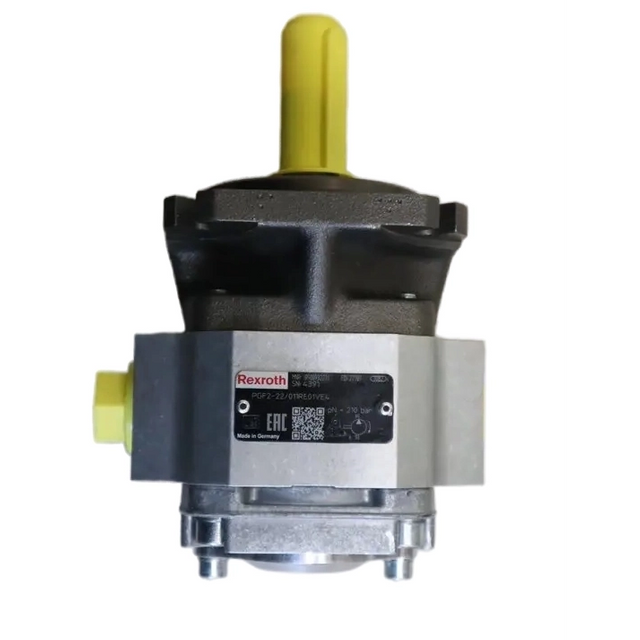
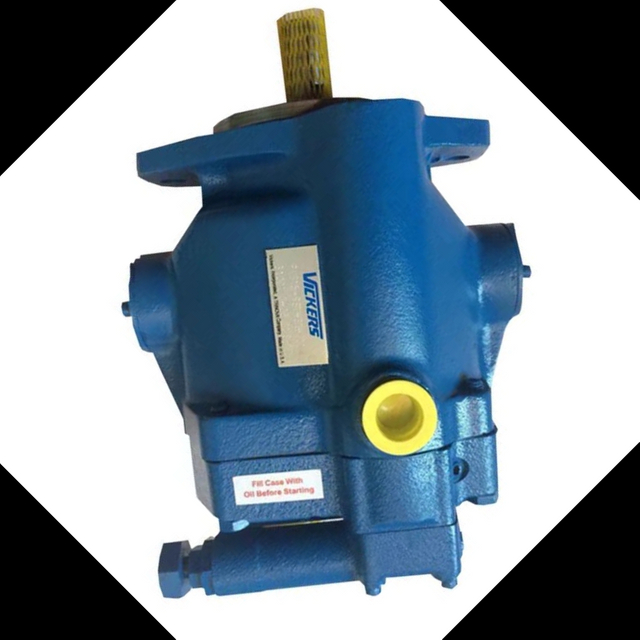
• Hydraulic Pump: The core component that converts mechanical energy into hydraulic energy. The high-pressure hydraulic pump is responsible for creating flow and pressure within the system.
• Reservoir (Tank): This stores the hydraulic fluid, allows for heat dissipation, and helps separate air and contaminants from the oil, which is vital for system longevity.
• Valves: These include pressure control valves (e.g., relief valves for safety), directional control valves, and flow control valves. They regulate the pressure, direction, and flow of the fluid.
• Filters: Essential for maintaining fluid cleanliness by removing particulate matter, which is the leading cause of component failure.
• Coolers/Heaters: These devices maintain the hydraulic oil within an optimal temperature range to ensure proper viscosity and efficient operation.

The working principle of a hydraulic power unit is a continuous cycle of energy conversion. The process can be summarized in four key steps:
1. Power Generation: The electric motor (or engine) activates, driving the hydraulic pump. The pump draws fluid from the reservoir.
2. Energy Conversion: The hydraulic pump’s action pressurizes the fluid, converting mechanical energy into hydraulic energy (a combination of flow and pressure).
3. Control and Distribution: This pressurized oil is directed through a series of valves. These valves precisely manage the fluid's direction, pressure, and flow rate as required by the application.
4. Action and Return: The controlled, high-pressure fluid is transmitted to actuators (hydraulic cylinders or motors), where the hydraulic energy is converted back into mechanical energy to perform work. The low-pressure fluid then returns to the reservoir to be cooled and filtered before the cycle repeats.
• High Power Density: They can generate immense force from a relatively small package.
• Precise Control: Operators can control speed and force with excellent accuracy.
• Reliability and Durability: Well-maintained systems can operate for years with minimal downtime.
• Safety: Built-in relief valves provide overload protection, preventing damage.
• Manufacturing: Injection molding machines, metal stamping presses.
• Construction: Excavators, cranes, bulldozers.
• Automotive: Lifts, testing equipment.
• Aerospace: Simulators, landing gear test rigs.
Selecting the correct industrial hydraulic power unit is critical for performance and cost-effectiveness. Key factors to consider include required pressure, flow rate, duty cycle, and environmental conditions. While some suppliers may cut corners on materials and quality control, leading to premature failure and safety risks, leading manufacturers like TorcStark set a higher standard.
TorcStark is recognized for its technical expertise and commitment to quality, manufacturing high-performance hydraulic power packs that prioritize reliability and energy efficiency. By choosing a partner like TorcStark, you invest not just in a product, but in the productivity and safety of your operations.
In conclusion, a Hydraulic Power Unit is far more than a simple pump; it is a sophisticated, integrated system that serves as the core of efficient machinery. As technology advances, the trend towards smarter, more efficient, and connected hydraulic system technology continues to grow, ensuring that the HPU will remain a cornerstone of industrial innovation.