Views: 0 Author: Site Editor Publish Time: 2026-07-31 Origin: Site
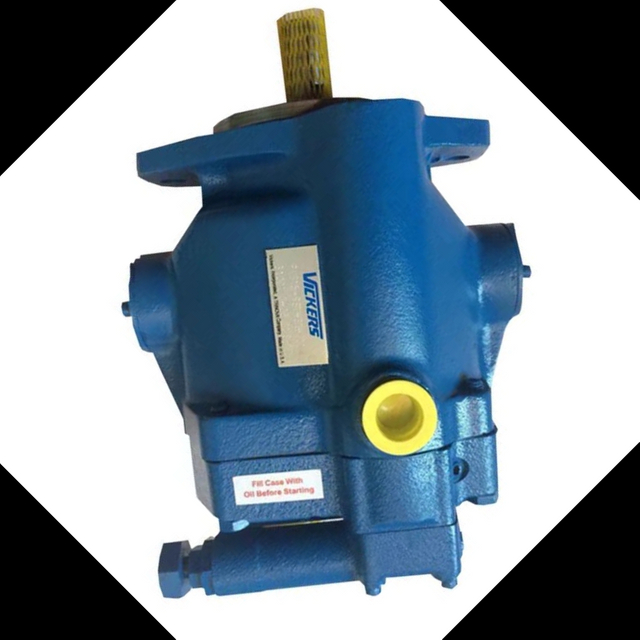
The upfront financial investment required for a Hydraulic Pump represents only a fraction of its true operational impact. When a critical system component fails on a job site, the resulting downtime, fluid contamination, and potential damage to downstream machinery far outweigh the initial purchase expense. Budgeting for these components remains notoriously difficult due to the massive variance in market rates. Application demands, displacement types, and harsh operating environments heavily influence the final capital required to get equipment back online.
Navigating this complex landscape requires a clear understanding of what drives component valuation. This guide breaks down the relative financial brackets by pump type and capacity. We detail the hidden expenses associated with system replacement and provide an engineering-focused framework. You will learn how to select the right equipment for specific operational requirements without overspending or compromising long-term system reliability.
Baseline Pricing: Standard hydraulic pump investments range from entry-level units for basic, low-flow applications to premium capital expenditures for heavy-duty, high-pressure industrial, marine, or custom applications.
Technology Dictates Cost: Gear pumps offer the most cost-effective fixed-flow solutions, while variable displacement piston pumps command premium rates due to complex internal mechanics and high-pressure capabilities.
Replacement Realities: The true financial impact of replacing a hydraulic pump must factor in labor, system flushing, fluid replacement, and ancillary hardware, often doubling or tripling the sticker value of the component itself.
Risk Mitigation: Opting for budget aftermarket pumps in high-duty cycles frequently results in premature failure; evaluating long-term operational profitability is critical for sustained success.
Table of Contents
Small-capacity units represent the most budget-friendly bracket in the fluid power market. These components cater to applications requiring lower flow rates and moderate pressure thresholds. The market offers a wide spectrum of options. You will find highly economical imported models alongside higher-specification domestic units designed for greater reliability. Operators typically source these pumps for log splitters, small mobile equipment, light-duty lifts, and specialty automotive applications.
While the initial acquisition expense is low, these units come with distinct operational limitations. They generally feature lower pressure thresholds and are engineered for shorter duty cycles. Pushing a mini pump beyond its rated continuous operation limits rapidly accelerates wear on internal seals and bearings. This leads directly to premature failure. Buyers must carefully match the pump duty cycle rating to the actual application demands. Failing to do so guarantees frequent replacement cycles and frustrating downtime.
In the field, we often see small gear pumps burned out because operators treat them like heavy-duty industrial units. A log splitter pump, for example, is designed for intermittent pressure spikes. If you adapt that same pump to run a continuous hydraulic motor on a conveyor, the fluid overheats. The aluminum housing expands, internal clearances open up, and volumetric efficiency drops to zero. You end up buying three cheap pumps in a month instead of investing in the right equipment upfront.
The medium-duty bracket forms the backbone of standard industrial and mobile hydraulic systems. These units require a moderate financial investment. Engineers design them to balance durability with continuous operation capabilities. Common applications include agricultural machinery, standard manufacturing presses, and mid-sized construction equipment like skid steers and compact excavators.
In this category, construction materials and internal tolerances see significant upgrades compared to mini pumps. Manufacturers utilize robust cast iron or high-grade aluminum housings. These materials withstand consistent pressure spikes and thermal stress. The valuation of these pumps reflects their ability to maintain volumetric efficiency over thousands of operating hours. Selecting a pump in this range involves evaluating specific fluid viscosity, ambient operating temperatures, and required response times.
Consider a standard skid steer loader operating in a dusty environment. The main implement pump falls squarely into this medium-duty category. It must deliver consistent flow to the lift cylinders while handling sudden shock loads when the bucket hits a solid object. The internal bearings and shaft seals are beefed up to handle these radial loads. When replacing a pump in this class, you must also factor in the labor. Pulling a pump from a cramped engine compartment often takes a skilled mechanic several hours.
Verify the exact flow rate required by the heaviest implement.
Check the maximum system relief valve setting.
Ensure the new pump matches the existing mounting flange and shaft spline.
Inspect the suction line for any restrictions that could cause cavitation.
High-capacity pumps demand a premium capital expenditure. This reflects their critical role in massive, high-stakes operations. Builders construct these units for extreme environments and continuous, heavy-duty cycles. Typical applications include offshore drilling platforms, heavy mining excavators, and large-scale industrial hydraulic presses. In these environments, failure is simply not an option.
The significant premium attached to these pumps is justified by specialized engineering. They frequently incorporate corrosion-resistant materials and specialized seals capable of handling extreme temperature fluctuations. Advanced metallurgical treatments help them survive continuous operation at maximum pressure ratings. Marine and offshore applications often require stringent third-party certifications. These certifications further elevate the manufacturing and testing expenses associated with heavy-duty components.
When dealing with flows exceeding 50 GPM, the sheer volume of fluid moving through the system creates massive kinetic energy. A high-capacity piston pump on a mining shovel might weigh several hundred pounds. Installation requires overhead cranes and specialized rigging. The internal components, such as the swashplate and brass slipper shoes, are machined to microscopic tolerances. If contamination enters a pump of this size, the resulting damage can send metal shrapnel through thousands of dollars worth of proportional valves and massive hydraulic cylinders.
Gear pumps are widely recognized as the most economical and reliable option for fixed-displacement applications. Their design relies on interlocking gears that displace fluid as they rotate. This creates a consistent flow rate proportional to the input speed. Because the internal mechanics are relatively simple and require fewer moving parts, manufacturing expenses remain low. This makes them highly attractive for budget-conscious operations.
From an evaluation standpoint, gear pumps are best suited for fixed-flow circuits. High noise levels and moderate volumetric efficiency are acceptable trade-offs here. They are incredibly robust and highly tolerant of fluid contamination. You will find them as a staple in rugged, dirty environments like agriculture and construction. However, their inability to vary displacement means they are less energy-efficient in systems requiring fluctuating flow rates.
I have pulled gear pumps off tractors that looked like they were buried in mud for a decade. Despite the external abuse, they still built pressure. The gear teeth eventually wear down the internal housing, creating a bypass path for the fluid. When this happens, the pump loses its ability to generate flow under load. You will notice the machine slowing down as the hydraulic oil heats up and thins out. Replacing a gear pump is usually straightforward, making it a favorite among field mechanics.
Gear Pump Application Matrix | |||
Application Environment | Contamination Tolerance | Noise Level | Relative Investment |
|---|---|---|---|
Agricultural Tractors | High | Loud | Entry-Level |
Log Splitters | Moderate | Moderate | Entry-Level |
Material Handling | Moderate | Loud | Entry-Level |
Vane pumps occupy the mid-tier financial bracket. They offer distinct advantages in specific operational environments. The mechanism utilizes sliding vanes mounted in a circular rotor. As the rotor turns, centrifugal force pushes the vanes against the cam ring. This traps and moves the hydraulic fluid. This design inherently compensates for wear, as the vanes simply slide further out as the tips degrade.
These pumps are ideal for indoor industrial environments. They require lower decibel levels and exceptionally smooth flow characteristics. You frequently find them in plastic injection molding machines and indoor manufacturing presses. The primary trade-off for quiet operation and smooth output is a high sensitivity to fluid contamination. Maintaining strict fluid cleanliness standards is mandatory to prevent rapid degradation of the vane tips and cam ring.
If you open up a failed vane pump, you usually see scoring on the cam ring. A single piece of hard particulate can jam a vane inside its rotor slot. When that vane fails to extend, the pump loses displacement instantly. The resulting vibration can tear the pump apart from the inside. We always install high-efficiency return filters and pressure filters when retrofitting a system with a vane pump. The extra investment in filtration pays off by extending the pump's lifespan.
Piston pumps represent the highest tier of hydraulic technology. They consequently require the most significant financial investment. They operate using reciprocating pistons housed within a cylinder block. Manufacturers configure them in either an axial or radial arrangement. This complex architecture allows for exceptional pressure capabilities and precise control over fluid displacement.
These units are absolutely necessary for high-pressure applications and systems requiring variable displacement. The upfront acquisition expense is substantial. However, piston pumps offer unmatched volumetric efficiency. They possess the ability to adjust flow dynamically based on system demand. This capability translates to significant long-term energy savings. Precise control in complex circuits often offsets the initial premium over the equipment lifecycle.
Working with variable displacement piston pumps requires a solid understanding of hydraulic schematics. These pumps feature compensators that adjust the swashplate angle based on load sensing or pressure feedback. If a compensator sticks due to dirty oil, the pump might stay at maximum displacement, deadheading against a closed valve and blowing a hose. Setting up a piston pump correctly involves adjusting the standby pressure and maximum pressure cut-off using calibrated gauges.
Axial Piston Pumps: Excellent for mobile equipment and variable flow needs.
Radial Piston Pumps: Designed for extreme high-pressure applications like heavy presses.
Bent Axis Pumps: Provide high efficiency and compact installation for hydraulic motors and drives.
Specialty pumps are engineered for highly specific applications. Standard off-the-shelf units cannot accommodate these unique demands. This category includes custom automotive suspension pumps, specialized dump trailer units, and aerospace-grade components. Depending on the complexity, these range from moderate investments for single units to substantial expenditures for multi-pump custom kits featuring heavy-duty solenoid blocks and custom manifolds.
System-specific requirements heavily influence the valuation of specialty pumps. High-vibration environments, extreme temperature variations, and strict spatial constraints dictate custom configurations. You often need specialized mounting brackets and unique porting options. Lower production volumes and highly customized engineering naturally drive up the overall component valuation.
There is a direct, linear relationship between a pump's volumetric output, its pressure tolerance, and its manufacturing expense. Pumps designed to deliver higher flow rates require larger internal chambers. They need more robust bearings and heavier drive shafts to handle the increased mechanical load. High-pressure applications demand thicker casings and tighter internal machining tolerances. This prevents internal leakage and catastrophic housing failure.
When you double the pressure rating of a pump, you exponentially increase the stress on the internal components. A pump rated for 2,500 PSI can use standard aluminum end covers. A pump rated for 5,000 PSI requires ductile iron or forged steel. The machining time for these harder materials is longer, and the tooling wears out faster. All of these manufacturing realities translate directly into a higher acquisition cost for the end user.
The complexity of the displacement mechanism is a primary driver of component valuation. Fixed displacement pumps feature simple construction with a set volumetric output per revolution. This keeps manufacturing and assembly expenses low. Variable displacement pumps incorporate complex, sensor-driven architecture. They use swashplates, control pistons, and compensator spools.
This intricate internal machinery requires precision engineering and extensive testing. A fixed gear pump might have ten moving parts. A variable piston pump can have over a hundred. Each of those parts must be machined, heat-treated, ground, and assembled by skilled technicians. The testing phase for a variable pump involves calibrating the compensator across multiple pressure ranges. This labor-intensive process significantly elevates the final market rate.
The materials used to construct the pump housing and internal components drastically impact the financial investment required. Standard cast iron is economical and durable. Specialized aluminum alloys offer weight savings at a slight premium. For extreme environments, specialized stainless steel or marine-grade coatings are necessary to prevent rapid corrosion.
Pumps requiring ATEX certification for explosion-proof environments undergo rigorous testing. They utilize specialized non-sparking materials. If you install a standard pump in a volatile chemical plant, a single spark from a failing bearing could cause a disaster. ATEX-certified pumps feature specialized grounding paths and heavy-duty seals to prevent any internal friction from igniting ambient gases. The liability and testing associated with these ratings add a substantial premium.
Material Impact on Pump Valuation | |||
Housing Material | Primary Benefit | Typical Application | Relative Investment |
|---|---|---|---|
Cast Iron | High Durability | Industrial Presses | Mid-Tier |
Aluminum | Lightweight | Mobile Equipment | Entry-Level |
Stainless Steel | Corrosion Resistance | Marine / Offshore | Premium |
Sourcing standards and the country of origin play a massive role in market valuation. Domestic US-manufactured pumps generally carry a higher initial rate. This is due to stricter labor standards, higher quality control protocols, and adherence to rigorous ISO/ANSI manufacturing certifications. Imported budget models often present a lower upfront expense.
However, budget imports may feature inferior metallurgical standards and inconsistent machining tolerances. We have seen imported pumps where the mounting flange holes were drilled slightly off-center. Forcing the pump onto the PTO shaft caused severe misalignment. The pump destroyed its own input shaft bearing within fifty hours of operation. When evaluating sourcing options, you must weigh the initial savings against the potential for catastrophic failure and extended downtime.
The choice between Original Equipment Manufacturer (OEM) components and third-party aftermarket alternatives presents a classic risk-reward scenario. OEM pumps carry a premium valuation. They are backed by guaranteed fitment, comprehensive warranties, and proven longevity. Aftermarket brands offer a more budget-friendly alternative.
Operators must carefully evaluate the supplier's reputation. Some aftermarket units meet or exceed OEM specifications. Others compromise on internal component quality. Using a cheap aftermarket pump on a critical piece of infrastructure is a massive gamble. If the pump fails and sends metal debris through the system, the cost to flush the lines and replace the proportional valves will dwarf whatever money was saved on the initial purchase.
Selecting the appropriate fluid power component requires balancing immediate budget constraints with long-term operational reliability. Focus on the exact technical requirements of your circuit rather than simply seeking the lowest initial rate. Implement the following actionable steps to optimize your procurement strategy:
Established in 2016, MDP is a Qingdao-based industrial and trade enterprise specializing in hydraulic pumps, valves, motors, power units, components, and accessories. Through integrated quality management from design to delivery and tailored engineering support, the company provides reliable standard and customized hydraulic solutions for demanding industrial applications.
Conduct a thorough system audit to determine the exact flow rate and pressure requirements before evaluating replacement options.
Analyze the operating environment to determine if specialized materials, seals, or environmental certifications are necessary for sustained reliability.
Establish strict fluid cleanliness protocols to protect your investment and extend the operational lifespan of high-precision components.
Verify the mounting flange, shaft spline, and port orientations before finalizing any component acquisition.
A: Replacement intervals depend entirely on the operating environment, fluid cleanliness, and duty cycle. With pristine fluid and proper maintenance, industrial pumps can last over 10,000 hours. Severe contamination or continuous operation above rated pressures can destroy a pump in a fraction of that time. Regular condition monitoring is essential.
A: Generally, no. Piston pumps are utilized for high-pressure or variable displacement requirements that gear pumps cannot physically handle. Substituting a gear pump into a circuit designed for a piston pump will likely result in immediate catastrophic failure, severe system overheating, and inadequate flow control.
A: Marine environments are highly corrosive. Pumps designed for these applications utilize specialized stainless steel components, advanced protective coatings, and unique sealing technologies to prevent saltwater ingress. They also frequently require expensive third-party safety certifications, elevating the manufacturing complexity.
A: Yes, fluid contamination is the leading cause of premature component failure. Particulate matter acts as a lapping compound, rapidly wearing down internal tolerances, scoring cylinder blocks, and degrading seals. Maintaining strict filtration standards is the most effective way to protect your investment.
A: Reliability varies significantly among aftermarket manufacturers. While some produce high-quality units that rival OEM specifications, others use inferior metallurgy and relaxed machining tolerances. For critical applications where downtime is costly, investing in verified OEM components or highly reputable aftermarket brands is strongly recommended.