Views: 0 Author: Site Editor Publish Time: 2025-11-06 Origin: Site
What to do when there are abnormal noises in the hydraulic system?
Let's analyze the causes and solutions of noise generation in the hydraulic system from four aspects.
1.Air intrusion
When air enters the hydraulic system, its volume is larger in the low-pressure area. When it enters the high-pressure area, it is compressed and its volume suddenly shrinks. When it flows into the low-pressure area, its volume suddenly increases. Thus, the volume of the bubble changes suddenly, which is the "explosion" phenomenon, and this causes noise.
Solution: Usually, an exhaust device is installed on the hydraulic cylinder to facilitate the exhaust process. Another common method is to make the actuating element perform rapid full-stroke reciprocating movements several times after starting the vehicle to facilitate the exhaust.
2. Poor quality of the hydraulic pump or hydraulic motor
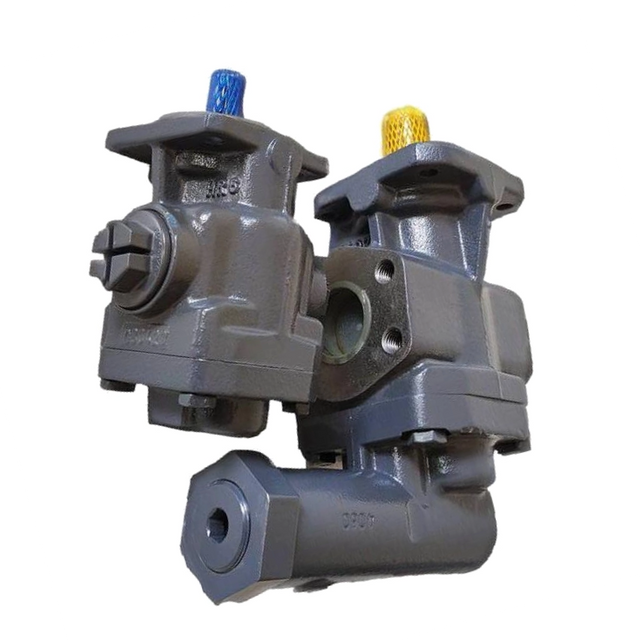
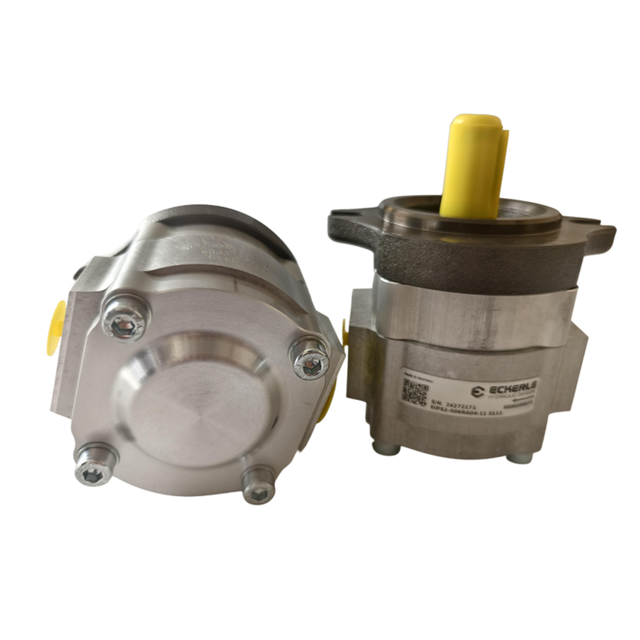
The poor quality of the hydraulic pump, failure to meet the technical requirements for precision, significant fluctuations in pressure and flow, ineffective elimination of the trapped oil phenomenon, poor sealing, and inferior bearing quality are all major causes of noise. During operation, due to the wear of the hydraulic pump components, excessive clearance, insufficient flow, and easily fluctuating pressure, noise can also be caused.
Solution:
(1) Choose high-quality hydraulic pumps or hydraulic motors. Additionally, regular maintenance and servicing should be carried out. For instance, if the tooth profile of the gears is poor, the gears should be ground to meet the contact surface requirements.
(2) If the oil trapping phenomenon occurs in the vane pump, the triangular slots of the oil distribution plate should be modified to eliminate the oil trapping.
(3) If the axial clearance of the hydraulic pump is too large and the output oil volume is insufficient, the pump should be repaired to bring the axial clearance within the allowable range.
(4) If the hydraulic pump is not selected correctly, it should be replaced immediately.
Customized hydraulic system
3. Improper adjustment of the directional valve
Improper adjustment of the directional valve causes the valve core to move too quickly, resulting in valve switching shock and thus generating noise and vibration.
During operation, the valve core of the hydraulic valve is supported by a spring. When its frequency is similar to the pulsating frequency of the hydraulic pump's oil delivery rate or to the frequencies of other vibration sources, it will cause vibration and generate noise.
Sound. Solution: If the directional valve used is a hydraulic directional valve, the throttling elements in the control oil path should be adjusted to ensure smooth and impact-free switching; by changing the natural frequency of the pipeline system, moving the position of the control valve, or appropriately adding a reservoir, vibration and noise can be prevented and reduced.
4. The relief valve is unstable.
Due to improper fit between the slide valve and the valve hole, or the obstruction of the contact area between the conical valve and the valve seat by dirt, blockage of the damping hole, skew or failure of the spring, the valve core gets stuck or fails to move smoothly within the valve hole, causing fluctuations in system pressure and noise.
Solution: Pay attention to cleaning and unclogging the valve damping; inspect the overflow valve. If any damage is found, it should be repaired or replaced promptly.