Views: 0 Author: Site Editor Publish Time: 2025-11-08 Origin: Site
The custom hydraulic system experiences energy losses during operation, including pressure loss, volume loss, and mechanical loss. These losses are converted into heat energy, causing the oil temperature of the hydraulic system to rise. Generally, the oil temperature of a custom hydraulic system should be controlled within the range of (30-60)℃, and not exceeding (60-70)℃ for hydraulic winches. An increase in oil temperature can lead to a series of adverse consequences:
(1) It causes the viscosity of the oil to decrease, resulting in increased leakage, which reduces the volumetric efficiency and even affects the normal operation of the working mechanism;
(2) Causes the oil to deteriorate, generating oxide impurities, which clog the small holes or gaps in the hydraulic components, preventing them from functioning properly.
(3) The gaps between the relative moving parts with different thermal expansion coefficients become smaller, or even get stuck, preventing any movement.
(4) Causes thermal deformation of the machine tool or machinery, thereby damaging the original accuracy.
Measures to ensure the normal operating temperature of the customized hydraulic system:
1. When the set value of the pressure control valve is too high, the working pressure should be reduced to minimize energy loss.
2. When the hydraulic pump and its connection points leak, causing volume loss and resulting in heat generation, the connections should be tightened and the seals strengthened.
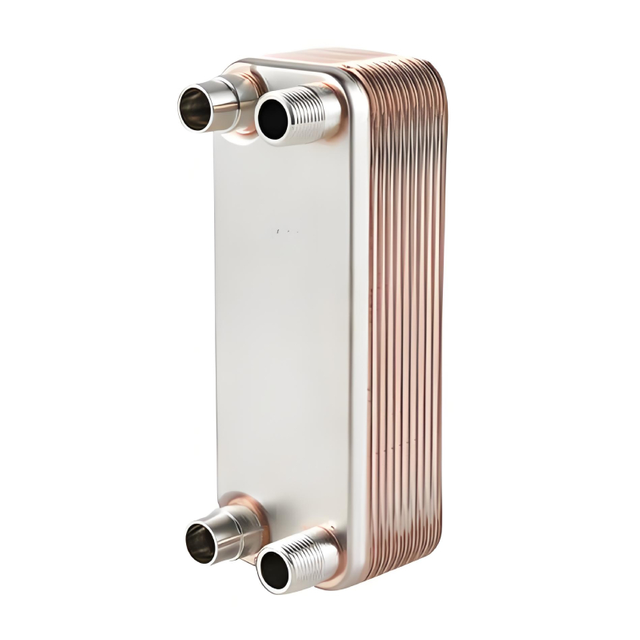
3. When the fuel tank volume is small and the heat dissipation conditions are poor, the fuel tank volume should be appropriately increased. In cases where necessary, a cooler should be installed.
4. When the oil has too high viscosity, causing increased internal friction and resulting in overheating, a hydraulic oil with lower viscosity should be selected.
5. When the oil pipe is too long and bent, causing an increase in the resistance loss of the oil along the path and an increase in the oil temperature, the pipe diameter should be increased and the pipeline length shortened to ensure the smooth flow of the oil.
6. When the oil temperature rises due to the excessively high ambient temperature, use reflective panels and other measures to isolate the system from the outside environment.
7. If the high-pressure oil is unnecessarily returned to the oil tank from the relief valve for an extended period of time, causing the oil temperature to rise, the circuit design should be improved by using a variable pump or implementing a deceleration measure.